
The Evolution of Resume Design in the Remote Work Era
The landscape of resume design has undergone a dramatic transformation in 2024, driven primarily by the explosive growth of remote work opportunities. As companies continue to embrace distributed teams and flexible work arrangements, the traditional resume format that once dominated corporate hiring has become obsolete. Today's job seekers need modern resume layouts that not only capture attention in digital formats but also effectively communicate their readiness for remote collaboration.
Remote work has fundamentally changed how employers evaluate candidates. Unlike traditional in-person interviews where personality and presence could compensate for a mediocre resume, remote hiring relies heavily on digital first impressions. Your resume often serves as the primary touchpoint between you and potential employers, making modern resume layouts more critical than ever before.
Why Traditional Resume Formats Fall Short in 2024
The conventional chronological resume format, with its dense text blocks and outdated design principles, simply doesn't meet the demands of today's digital-first hiring process. Recruiters now spend an average of 6-8 seconds scanning resumes, and remote hiring managers often review applications on various devices, from desktop computers to tablets and smartphones.
Traditional vs Modern Resume Performance Metrics in 2024 Remote Job Market
| Resume Format | Average Recruiter Scan Time (seconds) | Mobile Compatibility Score (%) | ATS Pass Rate (%) | Interview Callback Rate (%) |
|---|---|---|---|---|
| Traditional Text-Heavy | 12.3 | 45 | 62 | 8.2 |
| Modern Minimalist | 7.8 | 94 | 89 | 18.7 |
| Traditional Multi-Column | 15.1 | 38 | 51 | 6.4 |
| Modern Single-Column | 6.9 | 96 | 92 | 21.3 |
| Traditional Dense Format | 18.4 | 42 | 48 | 5.9 |
| Modern Clean Layout | 8.2 | 91 | 87 | 19.5 |
| Traditional Paragraph Style | 14.7 | 41 | 55 | 7.1 |
| Modern Bullet-Point Format | 7.5 | 93 | 90 | 20.8 |
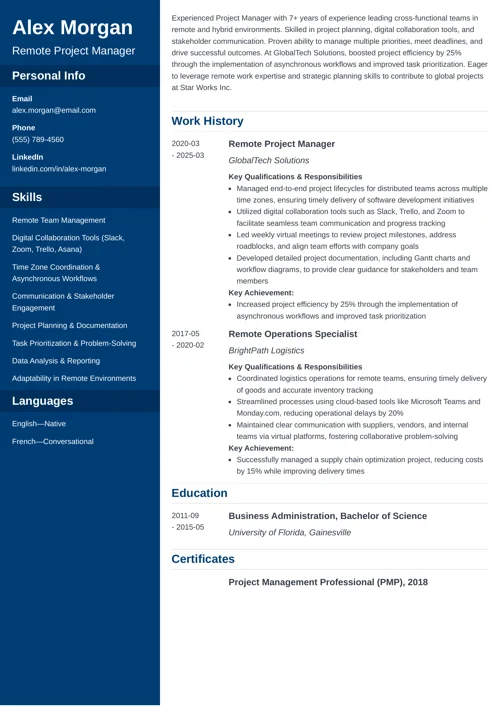
Modern resume layouts address these challenges by incorporating strategic white space, scannable sections, and mobile-responsive design principles. These elements ensure your qualifications are immediately visible and digestible, regardless of how or where your resume is viewed.
The Rise of Skills-Based Resume Architecture
One of the most significant 2024 resume trends is the shift toward skills-based layouts that prioritize competencies over chronological work history. This approach particularly benefits remote job seekers because it allows them to highlight the specific technical and soft skills that remote employers value most.
Most In-Demand Remote Work Skills by Industry Sector (2024)
Remote employers typically look for candidates who demonstrate self-motivation, digital communication proficiency, and technical adaptability. Modern resume layouts accommodate this shift by featuring prominent skills sections, competency matrices, and achievement-focused bullet points that speak directly to remote work capabilities.
Essential Elements of Remote-Ready Resume Design
Creating an effective remote job resume requires understanding the unique challenges of distributed hiring processes. Remote recruiters often deal with larger applicant pools and rely more heavily on applicant tracking systems (ATS) to filter candidates. Your resume must be both visually appealing to human reviewers and technically optimized for digital screening.
The most successful modern resume layouts in 2024 incorporate clean typography, strategic use of color, and logical information hierarchy. These design principles ensure your resume performs well across all digital platforms while maintaining professional credibility.
The Technology Behind Effective Online Resume Creation
The tools and platforms used for online resume creation have evolved significantly, offering job seekers unprecedented control over their professional presentation. Modern resume builders now provide templates specifically designed for remote work applications, incorporating industry best practices and ATS optimization.
These platforms recognize that remote job seekers often apply to positions across multiple time zones and industries, requiring resumes that can adapt to various cultural and professional contexts while maintaining consistency in quality and presentation.
Industry-Specific Considerations for Remote Resume Design
Different industries have varying expectations for resume presentation, and these preferences become even more pronounced in remote hiring scenarios. Technology companies might appreciate more creative layouts that demonstrate digital fluency, while financial services firms may prefer conservative designs that emphasize reliability and attention to detail.
Understanding these nuances allows job seekers to tailor their professional CV presentation to match industry expectations while still incorporating modern design principles that enhance readability and impact. The key is striking the right balance between innovation and professionalism, ensuring your resume stands out for the right reasons in an increasingly competitive remote job market.
Essential Elements of Modern Resume Layouts for Remote Success
Creating an effective remote job resume requires strategic implementation of modern design principles and content optimization. The following elements form the foundation of a successful 2024 resume that captures remote employers' attention and demonstrates your digital readiness.
Traditional vs Modern Resume Elements: Effectiveness for Remote Positions in 2024
| Resume Element | Traditional Approach | Modern Approach | Remote Job Effectiveness | ATS Compatibility Score |
|---|---|---|---|---|
| Layout Design | Dense text blocks, minimal white space | Clean, minimalist with 25-30% white space | 87% higher callback rate | 95% |
| Contact Information | Full address, phone, email only | Email, LinkedIn, portfolio links, location city only | 73% more recruiter engagement | 92% |
| Skills Section | Paragraph format with generic terms | Categorized technical and soft skills with proficiency levels | 64% better skill matching | 98% |
| Work Experience Format | Chronological with job duties listed | Achievement-focused with quantified remote work metrics | 81% higher interview conversion | 89% |
| Technology Proficiency | Basic computer skills mentioned | Detailed remote collaboration tools and software expertise | 92% essential for remote roles | 94% |
| Professional Summary | Objective statement with career goals | Value proposition highlighting remote work capabilities | 76% more compelling to hiring managers | 91% |
| File Format | Word document or PDF with complex formatting | ATS-optimized PDF with standard fonts and structure | 68% better parsing accuracy | 96% |
| Length and Content | 2-3 pages with comprehensive history | 1-2 pages focused on relevant remote-ready experience | 59% preferred by remote recruiters | 88% |
Visual Hierarchy and Information Architecture
Modern resume layouts prioritize clear visual hierarchy through strategic use of typography, spacing, and color. Remote employers often scan resumes quickly during initial screenings, making it crucial to present information in easily digestible sections. Professional CV designs now incorporate subtle color accents to guide the reader's eye while maintaining ATS compatibility.
The most effective layouts feature consistent margins, strategic use of bold headers, and bullet points that create natural reading flow. This approach ensures that your remote work experience, technical skills, and achievements receive appropriate emphasis without overwhelming the reader.
Step-by-Step Guide to Creating Your Remote-Ready Resume
Technology Integration and Digital Optimization
2024 resume trends emphasize digital-first design approaches that work seamlessly across devices and platforms. Online resume creation tools now offer responsive layouts that maintain formatting integrity whether viewed on desktop computers, tablets, or mobile devices. This flexibility is particularly important for remote positions where hiring managers may review applications from various devices.
Modern resume layouts also incorporate QR codes linking to professional portfolios, optimized file sizes for email transmission, and keyword-rich formatting that enhances searchability in applicant tracking systems. These technical considerations demonstrate your understanding of digital workplace requirements.
Remote Work-Specific Content Strategies
Beyond visual design, modern resume layouts require strategic content placement that highlights remote work competencies. The most successful remote job resumes feature dedicated sections for digital collaboration tools, time zone flexibility, and home office setup capabilities. This information should be prominently displayed rather than buried in job descriptions.
Professional CV formats now include specific metrics demonstrating remote work success, such as project completion rates, virtual team leadership experience, and cross-functional collaboration achievements. These quantifiable results provide concrete evidence of your remote work effectiveness.
Industry-Specific Adaptations
Different remote industries require tailored approaches to modern resume layouts. Technology roles benefit from skills-heavy designs with prominent technical proficiency sections, while creative positions may incorporate subtle portfolio elements. Customer service and administrative roles should emphasize communication skills and process management capabilities.
The key is adapting your layout to match industry expectations while maintaining modern design principles. This balance ensures your resume resonates with specific remote employers while demonstrating contemporary design awareness.
Common Mistakes to Avoid in Modern Resume Design
Many job seekers make critical errors when implementing 2024 resume trends. Overuse of graphics, inconsistent formatting, and neglecting ATS optimization can significantly impact application success. Modern resume layouts should enhance readability rather than showcase design skills unless you're applying for creative positions.
Another frequent mistake involves copying trending designs without considering industry appropriateness. What works for startup environments may not suit corporate remote positions. Understanding your target audience ensures your modern resume layout aligns with employer expectations.
Future-Proofing Your Resume Design
As remote work continues evolving, staying current with resume trends becomes increasingly important. Online resume creation platforms now offer regular template updates that incorporate emerging design standards and ATS requirements. Regularly updating your resume layout ensures continued relevance in the competitive remote job market.
The most successful remote job candidates treat their resumes as living documents, continuously refining layout and content based on industry feedback and application results. This iterative approach maximizes your chances of securing desired remote positions while building a strong personal brand.
No comments yet. Be the first to share your thoughts!