
Get 2026 resume trends right
Before you draft, align your document with what actually gets read today. The biggest trends for resumes in 2026 center on two things: AI-powered tailoring and ATS-friendly layouts. Recruiters now use software to scan for keywords before a human eyes your work, meaning clean formatting and standard headings are non-negotiable.
Start by choosing the right format. The reverse-chronological layout remains the gold standard for most professionals because it clearly shows career progression. If you are changing industries or have gaps, a combined format might better highlight relevant skills. Avoid functional resumes, which often raise red flags for recruiters.
Finally, prepare your content for both the machine and the human. Use AI builders to speed up tailoring, but always review the output for accuracy. Your resume must be readable by software while still telling a compelling story to the hiring manager. This balance is your first step toward landing your next career move.

Work through the steps
Resume Trends works best as a clear sequence: define the constraint, compare the realistic options, test the tradeoff, and choose the path with the fewest hidden costs. That order keeps the advice usable instead of decorative. After each step, pause long enough to check whether the recommendation still fits the reader's actual situation. If it depends on perfect timing, unusual access, or a best-case budget, include a simpler fallback.

Fix common mistakes
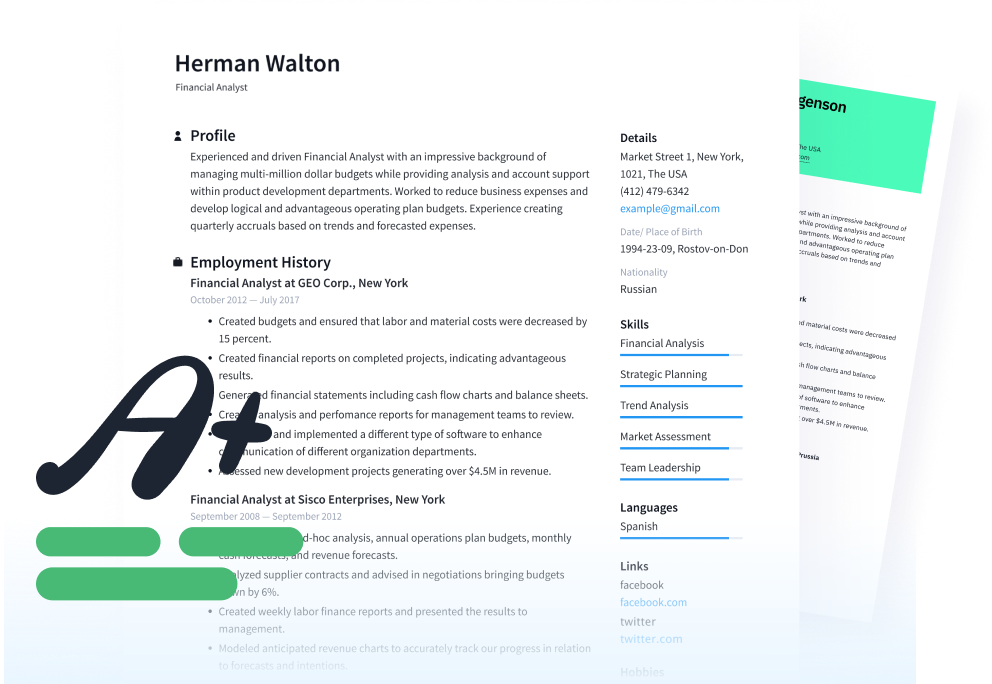
Even a well-structured resume fails if it contains hidden errors that confuse hiring managers or automated screening software. In 2026, the margin for error is thinner because AI parsing tools are stricter about formatting and keyword relevance. Avoid these frequent pitfalls to ensure your application actually reaches human eyes.
Keyword stuffing
Early resume advice often suggested cramming every possible synonym for a job title into your document. This tactic now backfires. ATS algorithms look for contextual relevance, not just density. If you list "project management" in a section about unrelated retail tasks, the system flags the inconsistency. Instead, weave keywords naturally into bullet points that describe actual achievements. Use the exact phrasing from the job description, but only where it truthfully reflects your experience.
Ignoring ATS formatting
A creative layout looks impressive to humans but often breaks completely for ATS software. Columns, text boxes, headers, and footers can scramble your resume into unreadable gibberish. The system might miss your contact information or reorder your work history. Stick to standard headings like "Experience" and "Education." Use simple bullet points and a single-column layout. This ensures your data is parsed correctly, regardless of the software the employer uses.
Vague responsibility statements
Listing duties without results is a common mistake. Phrases like "Responsible for sales" or "Helped with marketing" tell recruiters nothing about your impact. They want to see outcomes. Replace passive descriptions with active achievements backed by metrics. For example, change "Managed social media accounts" to "Grew Instagram following by 40% in six months through targeted content strategies." This shift demonstrates value and makes your profile stand out in a crowded field.
2026 resume trends: what to check next
Applicants often ask how resume strategies have shifted for 2026. The landscape now balances human readability with strict ATS compliance. The most effective resumes use clean, single-column layouts with standard headings and simple fonts. This structure ensures software can parse your data while recruiters quickly spot your impact.
What is trending for resumes in 2026?
The biggest trends for resumes in 2026 include AI resume builders that speed up the writing process and help you tailor your resume to the job. ATS-friendly layouts for easy readability by software, clean formats, and standard headings remain the core requirement for getting past initial screening filters.
What is the best resume format in 2026?
The reverse-chronological format remains the industry standard for most roles because it clearly shows career progression. However, combined or hybrid formats are gaining traction for career changers. These formats highlight transferable skills at the top before listing work history, allowing you to pivot your narrative without hiding your employment gaps.
How do I beat the ATS in 2026?
Beat the ATS by using a single-column layout, standard fonts, and clear section headings. Avoid complex graphics, tables, or text boxes that confuse parsing software. Instead, focus on keyword alignment by matching your skills and experience directly to the job description, ensuring your resume is both human-readable and machine-friendly.
No comments yet. Be the first to share your thoughts!