

The Rise of the Robot Recruiter: Why Your Resume Needs a Human Touch
The recruitment world is changing fast. It's no longer enough to simply list your skills and experience; you're competing with a wave of automation. Applicant Tracking Systems (ATS) are now the first line of defense for most companies, and they’re becoming increasingly sophisticated. Early ATS systems were primarily keyword scanners, but today’s AI can now analyze sentence structure, identify skills gaps, and even assess the tone of your resume.
This isn’t just about adding the right keywords anymore. The AI is learning to detect patterns that indicate a genuine, well-rounded candidate versus someone who’s clearly "gaming’ the system. Simply stuffing your resume with industry jargon won"t cut it – in fact, it can be a red flag. The focus is shifting towards evaluating the quality of your experience and your ability to communicate effectively.
The increasing reliance on AI also introduces the potential for bias. These systems are trained on data, and if that data reflects existing societal biases, the AI will perpetuate them. A human-centered approach matters because AI models trained on historical hiring data often inherit the biases of those recruiters. I've found that presenting yourself as an individual rather than a keyword list is the only way to bypass these algorithmic prejudices.
We're seeing AI move beyond basic scanning to understand context. I've noticed a trend in some systems towards evaluating 'soft skills' based on how you describe your accomplishments. This means a well-crafted narrative is more important than ever. A resume should tell a story, not just list facts.
2. ATS Optimization Fix
— Tips Excel (@gudanglifehack) April 12, 2026
Prompt: "Rewrite my resume to pass Applicant Tracking Systems for [target role]. Use the right keywords naturally, fix formatting issues, and make sure it still reads like a strong human-written resume."
Decoding ATS Logic: What Recruiters (and Robots) Actually See
Understanding how ATS systems work is the first step towards creating an AI-proof resume. These systems essentially "parse’ your resume, meaning they extract the text and data to build a searchable profile. The way your resume is formatted dramatically impacts this process. Most ATS prefer simple, clean formats like .docx or .pdf (though PDFs can sometimes be problematic if they"re image-based). Avoid sending your resume as a .jpg or other image file.
ATS systems struggle with complex layouts, tables, and graphics. These elements can disrupt the parsing process, leading to important information being missed or misinterpreted. The goal is parseable text—plain, readable strings that the ATS extracts without errors. Hidden text (text the same color as the background) is a common trick, but it’s increasingly detected and can be seen as deceptive. According to acilearning.com, many ATS now flag resumes with hidden text.
Metadata – the data about your document, like author and creation date – is also used by some ATS. While it's not a primary factor, ensuring this information is accurate can help. The biggest issue I see is with overly creative templates. While visually appealing to a human, they often create a nightmare for ATS parsing.
The technical aspects are often overlooked. A seemingly minor formatting choice – like using unusual bullet points – can throw off the system. It's a balancing act between creating a visually appealing document and ensuring it’s technically compatible. Always test your resume with a free ATS scanner (several are available online) to see how it’s interpreted.
- File Type: .docx or .pdf (text-based)
- Formatting: Simple, clean, and consistent
- Avoid: Tables, images, complex layouts, hidden text
- Metadata: Ensure accuracy
Beyond Keywords: Crafting a Narrative That Resonates
Keywords are still important, but they're no longer the sole focus. The real key to an AI-proof resume is crafting a compelling narrative that showcases your accomplishments and demonstrates your value. Think of your resume as a story you’re telling to a potential employer. It needs to be engaging, informative, and persuasive. The Harvard FAS Mignone Center for Career Success emphasizes the importance of demonstrating impact, not just listing responsibilities.
The STAR method (Situation, Task, Action, Result) is a powerful tool for framing your accomplishments. Instead of simply saying “Managed social media accounts,” try “Managed social media accounts for a local business (Situation), with the task of increasing brand awareness (Task). Implemented a new content strategy and engagement tactics (Action), resulting in a 20% increase in followers and a 15% increase in website traffic (Result).”
Tailoring your resume to each job description is crucial, but avoid simply copying and pasting keywords. Instead, identify the core skills and experiences the employer is looking for and then demonstrate how you possess those qualities through concrete examples. Focus on quantifiable achievements whenever possible – numbers speak louder than words. Saying you “improved efficiency” is less impactful than saying you “reduced processing time by 10%.”
Don't underestimate the power of context. Explain why you made certain decisions and how your actions contributed to the overall success of the organization. This demonstrates critical thinking. A resume proves your value; it doesn't just list duties.
Human-Centered Resume Tactics
- Show, Don't Tell: Impactful Storytelling - Recruiters consistently emphasize the need for candidates to *demonstrate* accomplishments, not just list responsibilities. As recruiter Sarah Sheehan noted, "I want to see the *result* of your work. Numbers are great, but context is king. What problem did you solve?" Focus on quantifiable achievements and the positive outcomes you delivered.
- Highlight Transferable Skills - Increasingly, recruiters are looking beyond direct experience. Matt Buckley points out, "I’m seeing more and more candidates with non-traditional backgrounds. Show me how your skills translate! Think problem-solving, communication, adaptability." Frame your experience to emphasize skills applicable to the target role.
- Personality & Voice Matter - While ATS systems scan for keywords, recruiters want a sense of *who you are*. Lorraine Glover shares, "A resume that sounds like everyone else is a snooze. Let your personality shine through (professionally, of course!)." A well-written summary and consistent tone can make a significant difference.
- Career Progression & Narrative Coherence - A clear, logical career path is crucial. Recruiter David Needleman emphasizes, "I want to understand *why* you made the career choices you did. Gaps are okay, but explain them. A cohesive story is key." Use a concise career summary to connect your experiences.
- Focus on Problem-Solving Abilities - Recruiters are actively seeking candidates who can identify and resolve challenges. Sarah Sheehan reiterates, "Show me you're a problem solver. What challenges did you face, and how did you overcome them?" Use the STAR method (Situation, Task, Action, Result) to structure your accomplishment statements.
- Tailor to Company Culture (Beyond Keywords) - While keyword optimization remains important for ATS, understand the company's values and tailor your resume to reflect them. Research the company's mission and incorporate language that demonstrates alignment. This shows you've done your homework and are genuinely interested.
- Conciseness & Readability are Paramount - Recruiters are busy. A lengthy, dense resume will likely be skimmed. Prioritize clarity and brevity. Use bullet points, concise language, and ample white space to make your resume easy to scan. Dump CV offers modern templates designed for readability.
Skills Sections: From Laundry Lists to Proof of Competency
The traditional skills section – a long list of keywords – is becoming increasingly ineffective. ATS systems can easily identify these lists, but they don’t provide any context or evidence of your actual proficiency. Simply listing “Project Management” doesn’t prove you can manage projects successfully. It's about moving beyond listing skills and demonstrating them.
Integrate your skills into the experience section, showcasing them through your accomplishments. Instead of saying “Proficient in Microsoft Excel,” describe a specific project where you used Excel to analyze data and improve decision-making. This provides concrete evidence of your skills and demonstrates their practical application. This is far more compelling to both AI and human reviewers.
Skill-based resumes (also known as functional resumes) can be useful in certain situations, such as when you’re changing careers or have gaps in your employment history. However, they can also raise red flags with recruiters who suspect you’re trying to hide something. Use them cautiously and ensure you still include a chronological work history.
Using industry-specific terminology is important, but avoid jargon that might not be understood by everyone. Tailor your language to the specific job description and the company’s culture. While "skills passports’ and digital badges are emerging, their acceptance isn’t universal. They can supplement your resume, but shouldn"t be relied upon as a primary form of proof.
Formatting for the Future: Modern Resume Layouts That Work
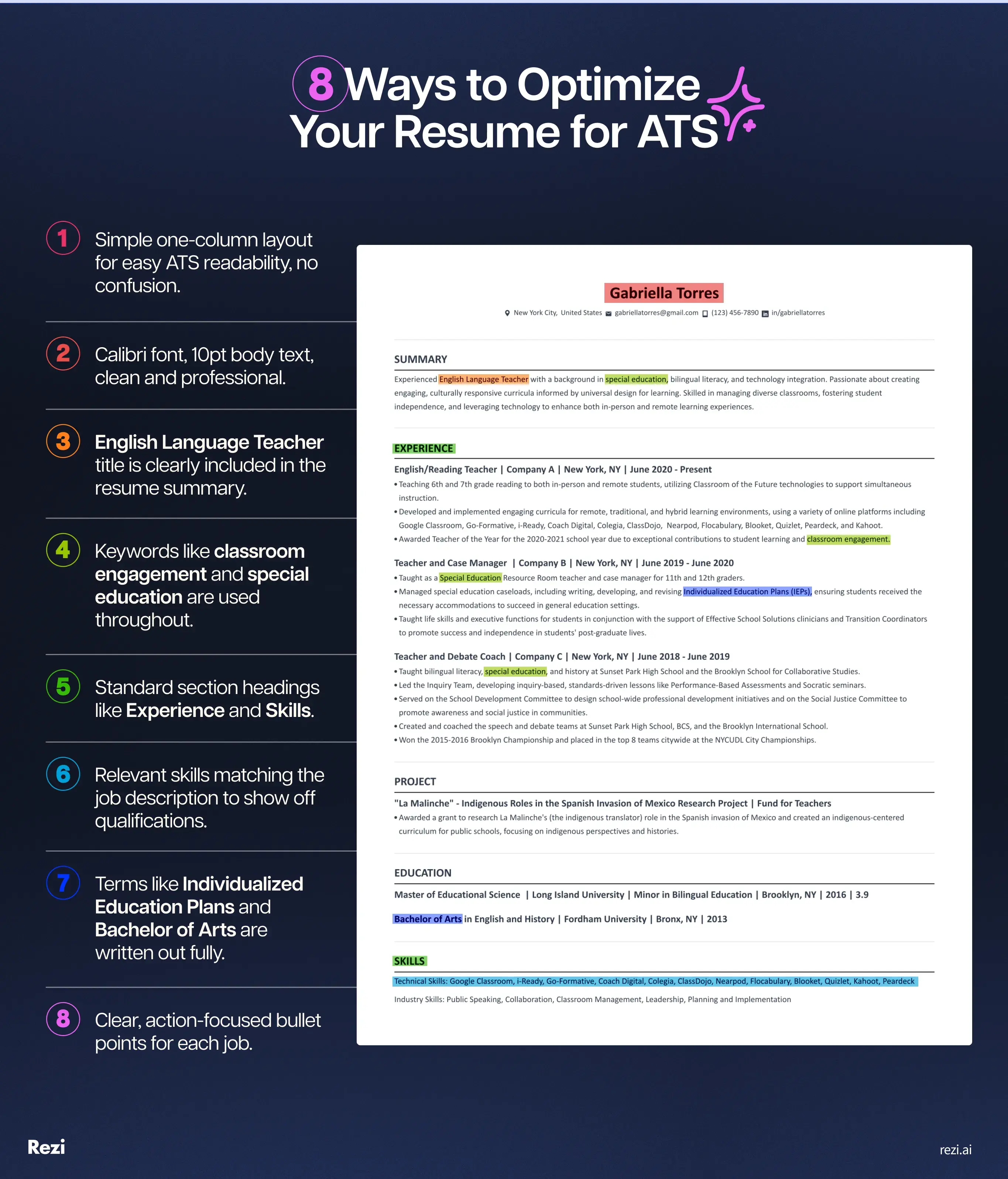
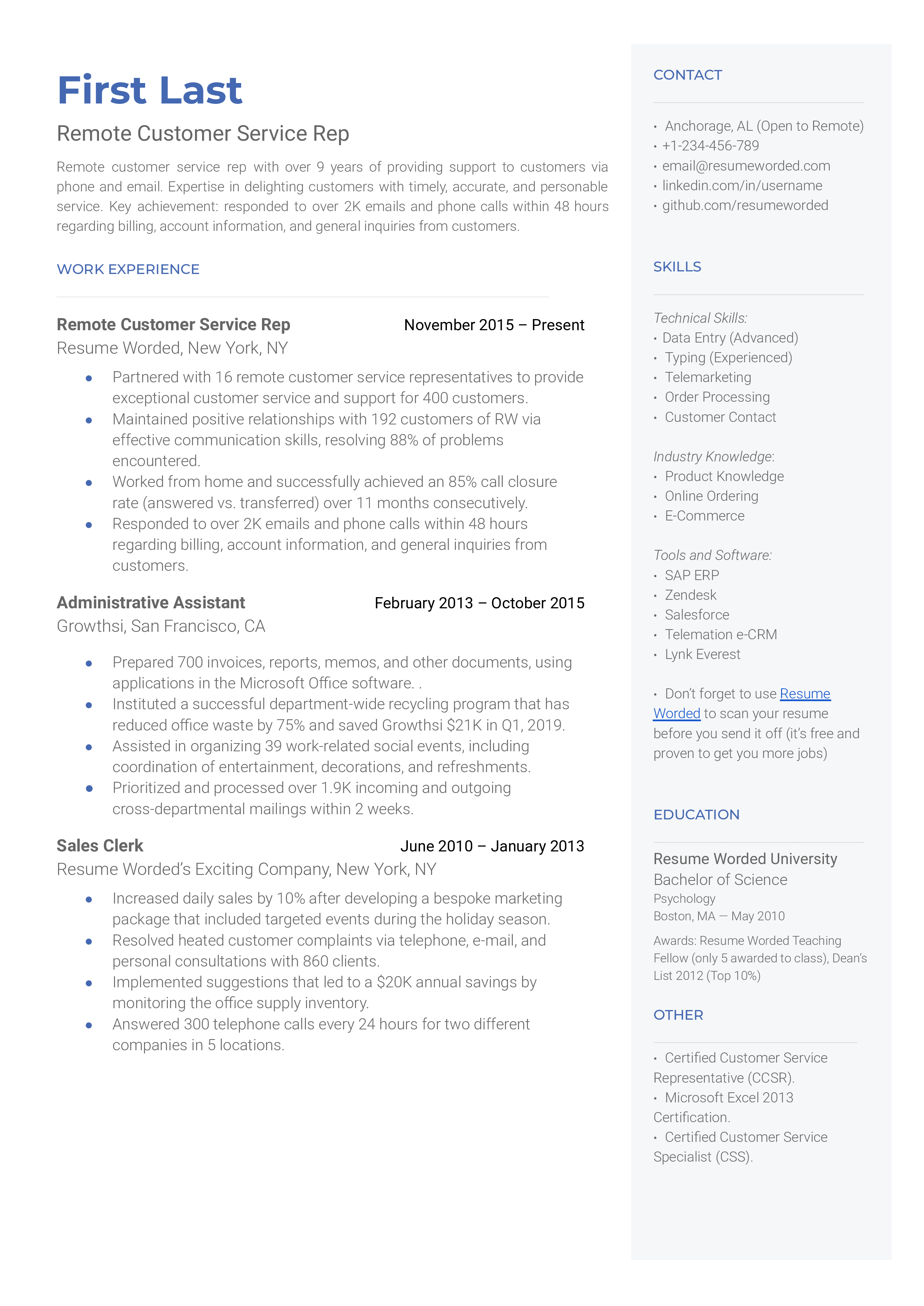
Visual appeal is important, but it shouldn’t come at the expense of ATS compatibility. Modern resume layouts should strike a balance between aesthetics and functionality. Prioritize readability and clear headings. White space is your friend – it makes your resume easier to scan and digest. Avoid overly creative fonts or designs that might confuse the ATS.
Simple, clean fonts like Arial, Calibri, or Times New Roman are generally the safest choices. Use a font size between 10 and 12 points. Consistent formatting is key – use the same font, size, and spacing throughout your resume. Dump CV offers a range of modern resume templates designed to be both visually appealing and ATS-friendly.
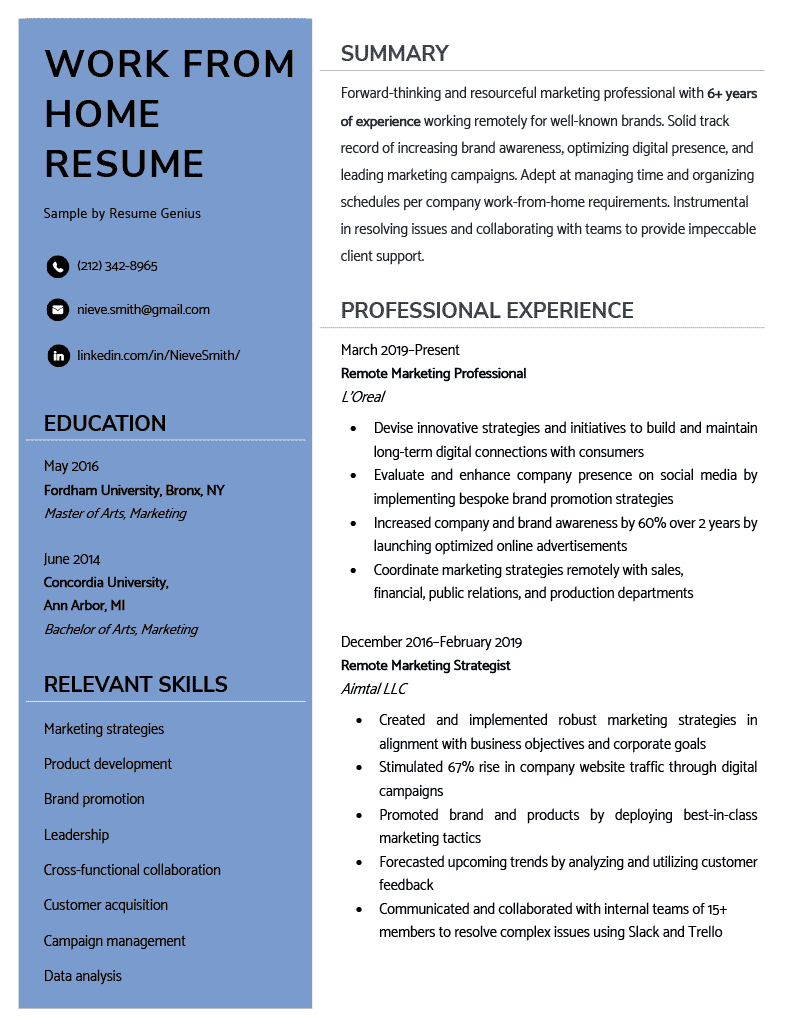
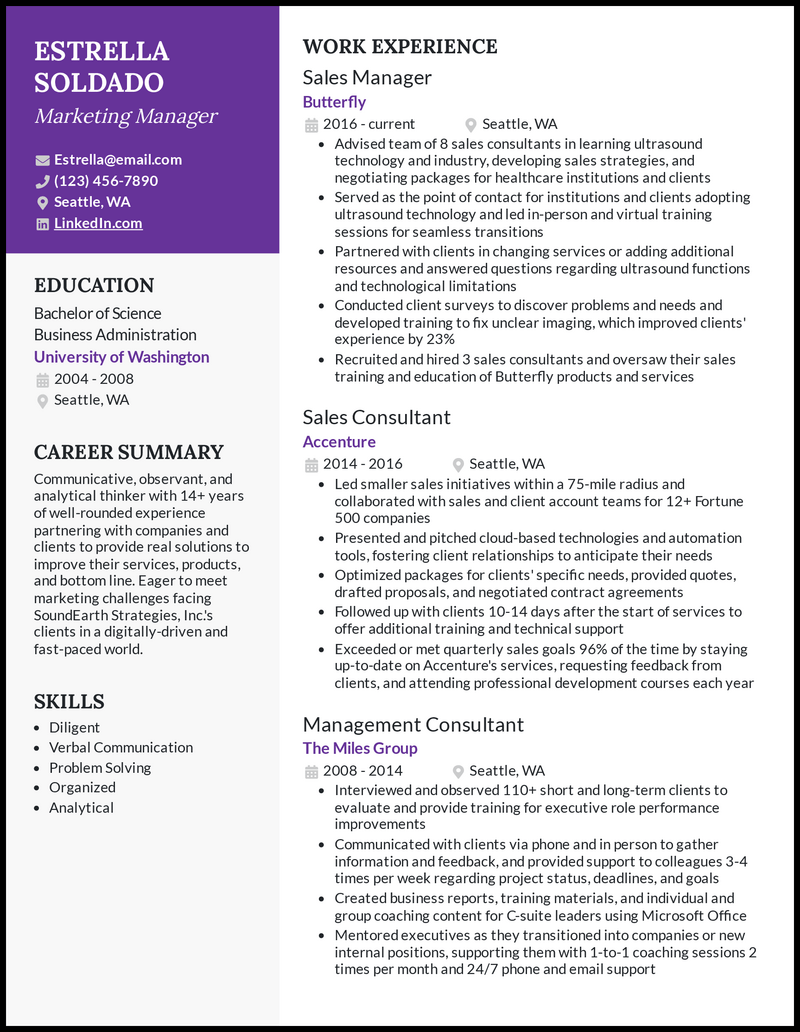
Color and graphics can be used sparingly to enhance your resume, but avoid overdoing it. Too much color can be distracting and may not translate well when the resume is converted to black and white. Images should be avoided altogether, as they’re often ignored by ATS. Remember, the primary goal is to get your resume past the robots and into the hands of a human.
Most resumes fail because they prioritize a 'modern' look over actual data readability. Stick to standard layouts to ensure your experience actually reaches a human recruiter.ook fantastic but fail the ATS test. A visually stunning design is useless if the system can't accurately parse your information. Focus on clarity, consistency, and compatibility.
Resume Do's & Don'ts for 2026
- Do use industry-specific keywords. Research job descriptions for roles you want and incorporate relevant skills and terminology. LinkedIn and Indeed are good sources for identifying these.
- Don't rely on overly creative or graphical resume templates. While visually appealing to a human, Applicant Tracking Systems (ATS) may struggle to parse complex layouts. Stick to clean, standard formats.
- Do prioritize quantifiable achievements. Instead of stating 'Managed social media', write 'Increased social media engagement by 30% in six months'.
- Don't use headers and footers for critical information. ATS systems often ignore content placed in these areas.
- Do use a reverse-chronological format. This is the most familiar and easily parsed format for both humans and ATS.
- Don't include images, charts, or graphs. While these can be helpful for visual communication, they are generally not ATS-friendly and can hinder parsing.
- Do save your resume as a .docx file. While PDFs are generally good for visual consistency, some ATS systems handle .docx files more reliably. Check the job posting for preferred formats.
- Don't use tables or text boxes for layout. These elements can disrupt the flow of information for ATS and make it difficult to extract data accurately.
The Power of Action Verbs and Targeted Language
The language you use on your resume is crucial. Strong action verbs can make your accomplishments more impactful and engaging. Instead of saying “Was responsible for…”, try using verbs like “Managed,” “Led,” “Developed,” or “Implemented.” This conveys a sense of ownership and initiative.
Tailor your language to the specific job description. Use the same keywords and phrases that the employer uses, but avoid simply repeating them verbatim. Focus on demonstrating how your skills and experience align with the requirements of the position. This shows the employer that you’ve taken the time to understand their needs.
Avoid jargon and buzzwords that might not be understood by everyone. While it’s important to use industry-specific terminology, ensure it’s clear and concise. A good rule of thumb is to write as if you’re explaining your experience to someone outside your field.
Instead of a full list of action verbs, I'd recommend finding resources online. A quick search for 'resume action verbs' will yield plenty of helpful lists. The key is to choose verbs that accurately reflect your accomplishments and convey a sense of professionalism.
Beyond the Resume: Optimizing Your LinkedIn Profile and Online Presence
Your resume is just one piece of the puzzle. In today’s digital age, it’s essential to have a strong online presence, particularly on LinkedIn. Your LinkedIn profile should be consistent with your resume, using the same keywords and phrases. Optimize your profile for search by including relevant skills and experience in your headline and summary.
Networking and building relationships with recruiters is also crucial. Connect with people in your field and participate in relevant groups. LinkedIn is a powerful tool for finding job opportunities and making connections. Don't be afraid to reach out to recruiters directly to express your interest in a position.
Other social media platforms, such as Twitter and GitHub, can also be used to showcase your skills and experience. Twitter can be a great way to share your thoughts on industry trends, while GitHub is ideal for developers to showcase their projects. Be mindful of your online reputation and ensure your profiles are professional.
I often advise clients to treat their LinkedIn profile as a dynamic resume – a living document that’s constantly updated and refined. It’s a valuable tool for building your personal brand and attracting the attention of potential employers.
Future-Proofing Your CV: Staying Ahead of the AI Curve
The AI landscape is constantly evolving, so it’s important to stay ahead of the curve. New technologies are emerging all the time, and ATS systems are becoming increasingly sophisticated. One trend to watch is the use of natural language processing (NLP) to analyze the meaning of your resume, not just the keywords.
This means that simply optimizing for keywords will become less effective. You’ll need to focus on crafting a compelling narrative that demonstrates your skills and experience in a clear and concise manner. Continuous learning and skill development are also essential. The more skills you have, the more valuable you’ll be to potential employers.
Regularly review and update your resume to reflect your latest accomplishments and skills. Don’t let it become stale. Test your resume with ATS scanners to ensure it’s still compatible. Consider seeking feedback from career counselors or industry professionals.
The future of resume writing is about adapting to change. By embracing a human-centered approach and staying informed about the latest trends, you can create a CV that stands out from the crowd and beats the bots.
No comments yet. Be the first to share your thoughts!