

Sustainability hiring trends for 2026
The demand for professionals in sustainability roles is experiencing significant growth, and projections for 2026 indicate this trend will continue accelerating. Enable.green reports a substantial increase in ESG and climate-related hiring, driven by investor pressure and stricter environmental regulations. This isn't a niche movement anymore; it's reshaping the job market.
The Stanford Woods Institute for the Environment sees the most movement in renewable energy, finance, and climate tech. Carbon accounting and data science are growing fast. Most of these aren't brand-new roles; they are traditional jobs that now require a sustainability lens.
A common concern for those considering a career transition is the perception of needing extensive retraining. However, the skills gap isn’t always about lacking technical expertise. Often, it’s about applying existing skills to a new context. Many professionals already possess valuable transferable skills that are highly sought after in the environmental sector. This means a complete career overhaul isn’t always necessary; a strategic reframing of your experience can be remarkably effective.
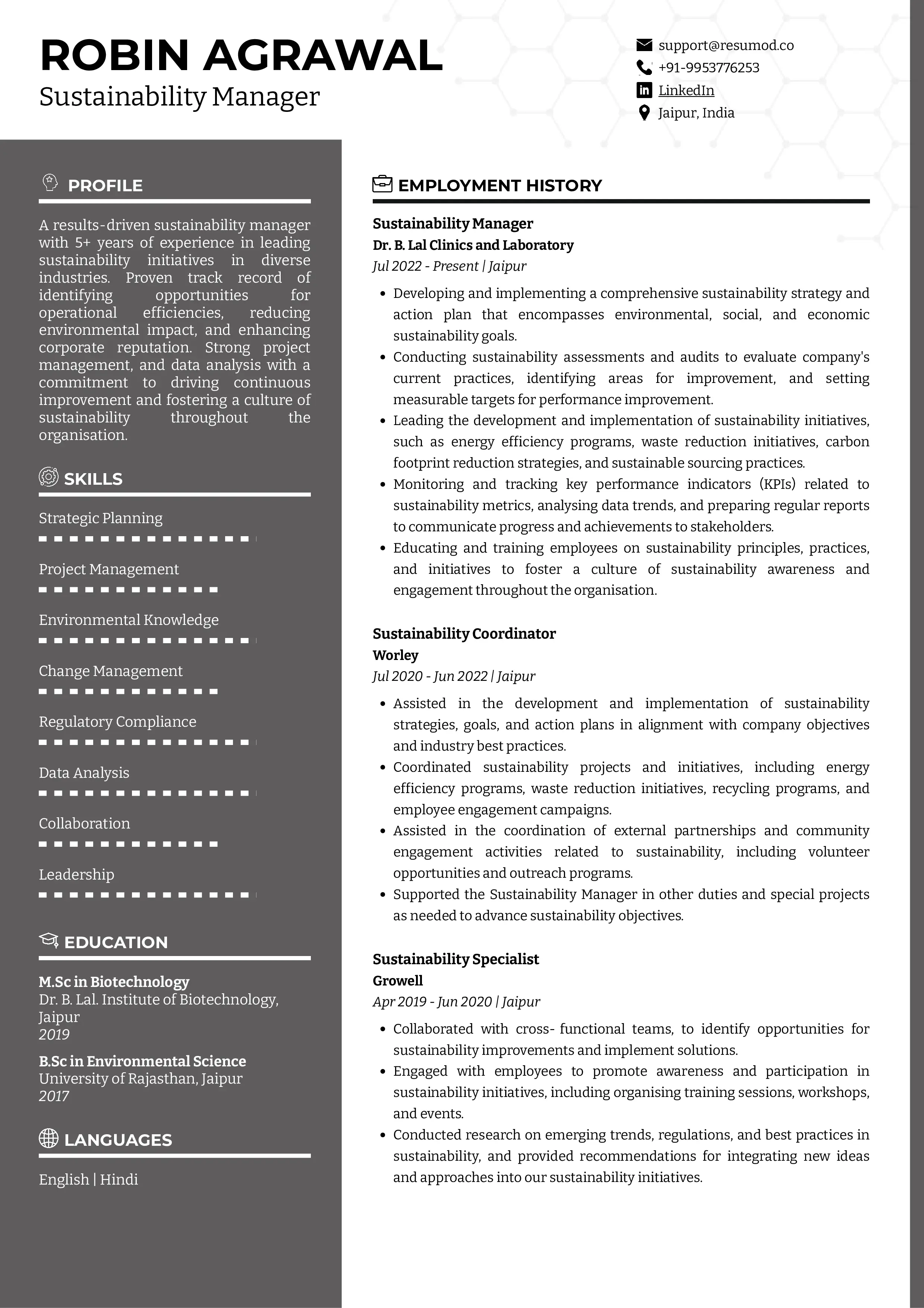
How to use your current skills
Don’t underestimate the value of your existing skillset. Many skills developed in seemingly unrelated fields are directly applicable to sustainability careers. Data analysis, for example, is crucial for environmental monitoring, tracking emissions, and measuring the impact of sustainability initiatives. Project management skills are essential for implementing renewable energy projects or managing waste reduction programs.
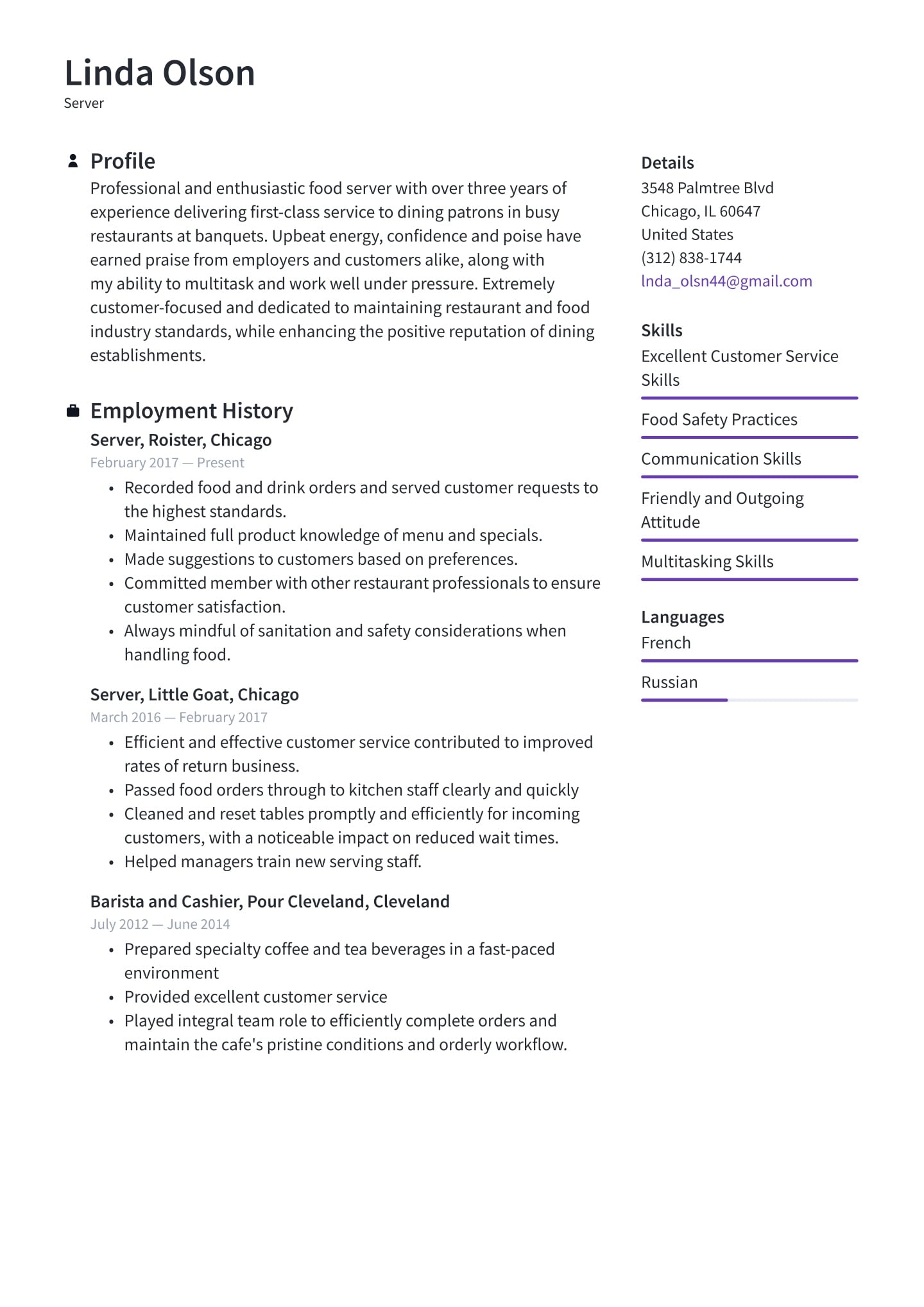
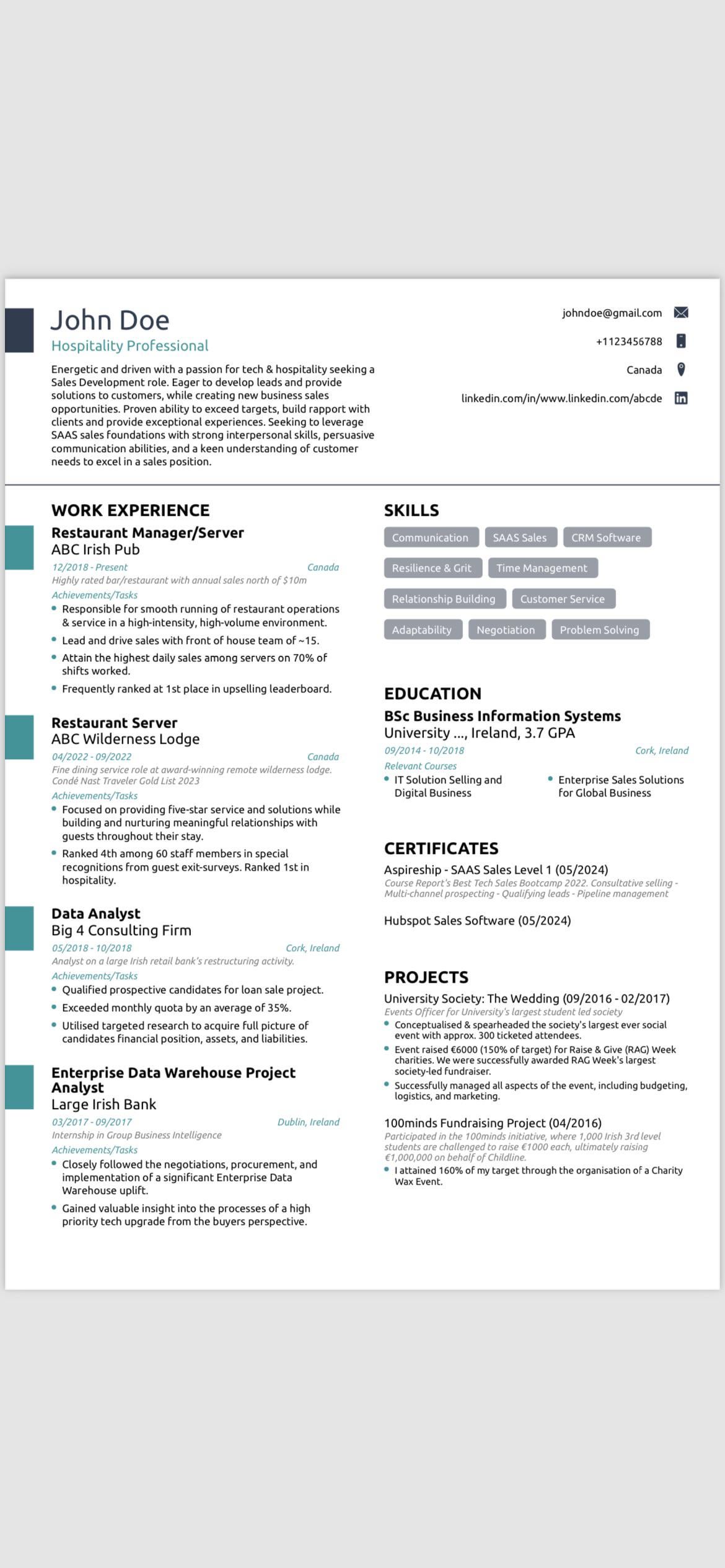
Communication is the backbone of ESG reporting and stakeholder management. Even service industry experience counts. A server who manages angry customers and high-pressure shifts has already practiced the conflict resolution needed for corporate sustainability initiatives.
An engineer’s experience with design thinking and optimization can be repurposed for sustainable product development and resource efficiency. A marketing professional’s expertise in crafting compelling narratives can be used to promote sustainable brands and initiatives. The goal is to identify the core skills you've developed and articulate how they can contribute to a more sustainable future.
- Data Analysis: Environmental monitoring, emissions tracking.
- Project Management: Renewable energy installations, waste reduction programs.
- Communication: ESG reporting, stakeholder engagement.
- Problem-Solving: Resource efficiency, supply chain optimization.
Keywords that actually pass the filters
Applicant Tracking Systems (ATS) are used by many companies to screen resumes, so incorporating relevant keywords is essential. For roles in environmental science or conservation, keywords like 'Life Cycle Assessment,' 'Biodiversity,' and 'Environmental Impact Assessment' are crucial. In the renewable energy sector, focus on terms like 'Solar Energy,' 'Wind Power,' and 'Grid Integration'.
For ESG-focused positions, prioritize keywords such as 'ESG Reporting,' 'Sustainability Accounting,' 'Carbon Footprint,' and 'Stakeholder Engagement.' When integrating these keywords, avoid simply listing them – weave them naturally into your experience descriptions. Don't just say you have experience with sustainability; show it using the language of the field.
Our keyword tool at Dump CV can help you identify relevant keywords for specific sustainability roles. Remember, the goal isn't to 'stuff' your resume with keywords, but to demonstrate your understanding of the field and your ability to communicate effectively with potential employers.
Content is being updated. Check back soon.
Networking & Skill-Building Resources
Building a network and continually upskilling are crucial for a successful career transition. Professional organizations like Net Impact and the US Green Building Council (USGBC) offer valuable networking opportunities and resources. Attending industry events and conferences is also a great way to connect with potential employers and learn about the latest trends.
Online courses and certifications can help you develop specialized skills. Coursera’s Sustainability Specialization, edX’s Sustainable Development Goals courses, and LinkedIn Learning’s sustainability offerings are excellent starting points. Consider pursuing certifications in areas like LEED (Leadership in Energy and Environmental Design) or GRI (Global Reporting Initiative).
LinkedIn groups dedicated to sustainability and environmental careers can provide valuable insights and networking opportunities. Websites like GreenBiz and Sustainability Jobs are excellent resources for finding job openings and staying up-to-date on industry news. Don't underestimate the power of informational interviews – reach out to professionals working in the field and ask about their experiences.
Beyond the Resume: LinkedIn & Personal Branding
Your LinkedIn profile is often the first impression you’ll make on potential employers, so it’s essential to optimize it for sustainability roles. Use relevant keywords in your headline and summary, and highlight your sustainability-related skills and experience. Engage with sustainability content and connect with professionals in the field.
Consider sharing articles, participating in discussions, and showcasing any personal projects related to sustainability. Volunteering for an environmental organization or participating in community initiatives can demonstrate your commitment to the field. A strong online presence can significantly enhance your visibility and credibility.
- Headline: Sustainability-Focused Project Manager | ESG Enthusiast
- Summary: Passionate about driving sustainable solutions and leveraging project management expertise to create positive environmental impact.
Common Mistakes to Avoid
One of the biggest mistakes is exaggerating your sustainability experience. Employers are increasingly savvy and will quickly identify "greenwashing" – presenting yourself as more environmentally conscious than you actually are. Be honest about your skills and experience, and focus on highlighting your transferable skills.
Avoid using vague language and buzzwords without providing concrete examples. Instead of saying "committed to sustainability," demonstrate your commitment with specific accomplishments. Failing to tailor your resume to each job application is another common mistake. Take the time to carefully review the job description and highlight the skills and experience that are most relevant.
Neglecting networking is a missed opportunity. Building relationships with professionals in the field can open doors to new opportunities. Finally, remember that a successful career transition takes time and effort. Be patient, persistent, and willing to learn.
No comments yet. Be the first to share your thoughts!