

Real sustainability roles vs. greenwashing
Green job postings are everywhere, but many are just marketing fluff. Real sustainability roles in 2026 actually change how a company operates rather than just polishing its image. You have to look for positions that influence the supply chain or energy use, not just the PR department.
We’re seeing genuine growth in areas like renewable energy (solar, wind, geothermal), the circular economy (waste reduction, reuse, recycling), ESG (Environmental, Social, and Governance) investing and reporting, and environmental consulting. These aren't just about individual actions; they're about reshaping how businesses operate.
Don't assume sustainability is limited to environmental science. There's demand for sustainability professionals across nearly all sectors – from finance and supply chain to marketing and human resources. It’s about integrating sustainable practices into every aspect of an organization. This shift is driving demand for professionals who can think strategically and implement impactful solutions.
Salary expectations vary widely depending on experience, location, and specialization. Data from Glassdoor currently shows an average salary range for sustainability managers between $75,000 and $150,000, but this can easily exceed $200,000 for specialized roles in areas like ESG investing or carbon accounting. Payscale reports similar figures, emphasizing the growing value placed on sustainability expertise.
Where the hiring is actually happening
North America and Europe currently lead the way in sustainability job creation, particularly in cities with strong environmental policies and a concentration of green industries. California, especially the Bay Area, is a major hub, driven by its commitment to renewable energy and its thriving cleantech sector. Massachusetts, with its strong academic institutions and focus on biotech, is another key location.
In Europe, cities like Amsterdam, Copenhagen, and Berlin are at the forefront, benefiting from supportive government policies and a strong emphasis on circular economy principles. The UK, particularly London and Edinburgh, also shows significant growth, especially in the financial sector related to ESG investing.
However, the Asia-Pacific region is rapidly emerging as a major player. China’s massive investments in renewable energy are creating countless opportunities, particularly in manufacturing and engineering. India, with its growing population and increasing environmental awareness, is also experiencing a surge in demand for sustainability professionals. Vietnam and Indonesia are also showing promise.
These aren’t random hotspots. They’re often driven by a combination of factors: proactive government policies incentivizing sustainable practices, a concentration of companies committed to ESG principles, and the presence of leading research institutions driving innovation. Understanding these dynamics is crucial for targeting your job search.
Green Career Transitions: Regional Outlook - 2026
| Region | Growth Rate | Key Industries | Common Roles | Regulatory Environment |
|---|---|---|---|---|
| North America | High | Renewable Energy, Sustainable Transportation, Environmental Consulting | Sustainability Manager, Environmental Engineer, Renewable Energy Specialist, ESG Analyst | Supportive |
| Europe | High | Circular Economy, Green Building, Sustainable Finance | Circular Economy Specialist, Green Building Architect, ESG Consultant, Climate Risk Analyst | Supportive |
| Asia-Pacific | Medium | Renewable Energy, Sustainable Agriculture, Environmental Remediation | Environmental Scientist, Renewable Energy Technician, Sustainability Consultant, Waste Management Specialist | Neutral to Supportive |
| Latin America | Medium | Sustainable Agriculture, Eco-tourism, Renewable Energy | Agroforestry Specialist, Conservation Scientist, Renewable Energy Installer, Environmental Educator | Neutral |
| Africa | Low to Medium | Renewable Energy, Sustainable Agriculture, Conservation | Renewable Energy Technician, Conservation Officer, Sustainable Farming Consultant, Environmental Impact Assessor | Neutral |
| Middle East | Low | Renewable Energy (Solar, Wind), Water Management, Green Building | Solar Energy Engineer, Water Resource Manager, Sustainability Consultant | Neutral to Restrictive |
Illustrative comparison based on the article research brief. Verify current pricing, limits, and product details in the official docs before relying on it.
Skills that get you hired
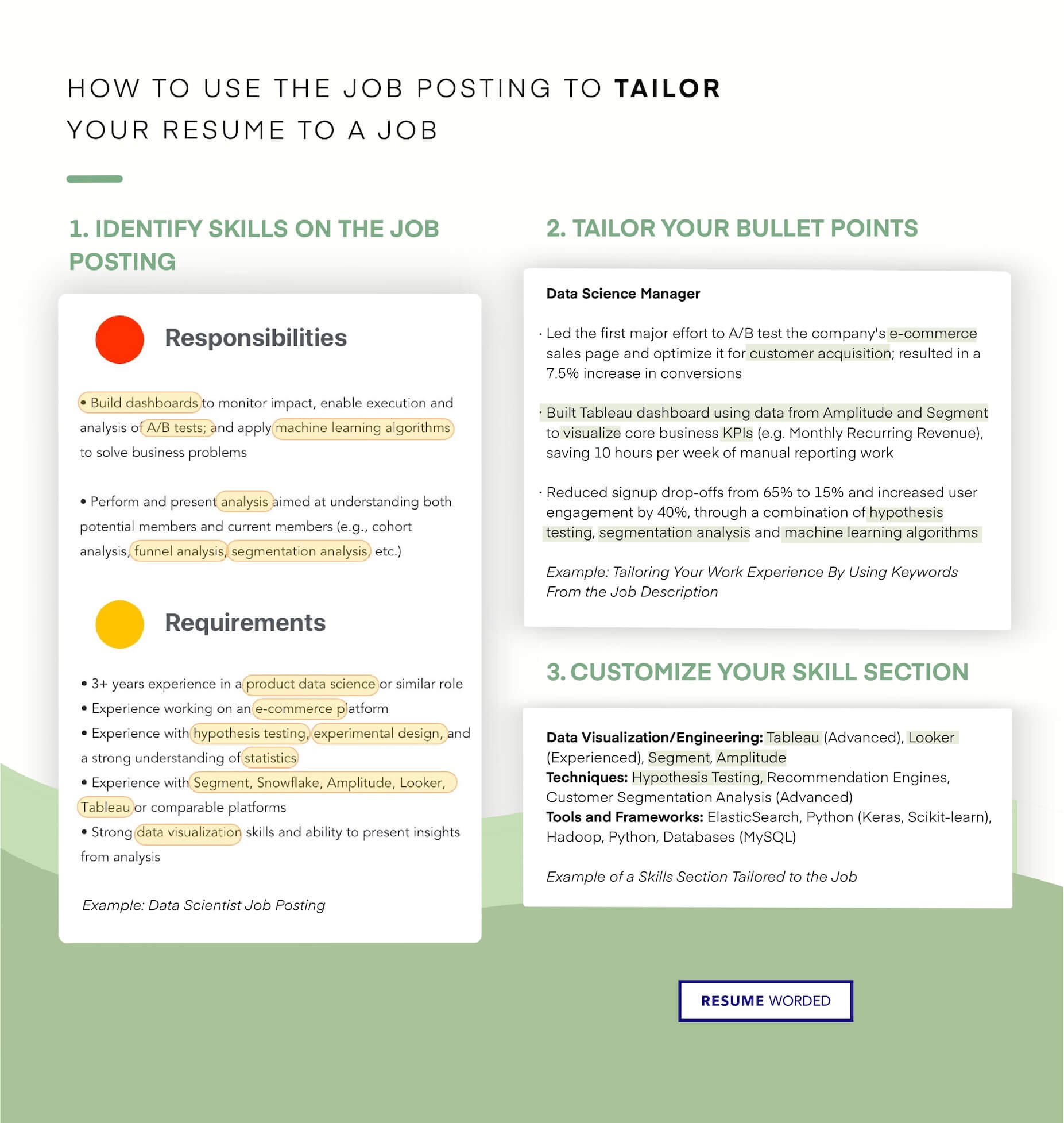
Beyond simply listing "sustainability" as a skill, employers are actively seeking specific competencies. Data analysis is paramount – the ability to track and measure environmental impact, interpret data, and identify areas for improvement. Proficiency in tools like Excel, Python, and data visualization software is increasingly important.
Project management skills are also highly valued. Implementing sustainability initiatives requires coordinating multiple stakeholders, managing budgets, and adhering to strict timelines. Employers want candidates who can demonstrate a track record of successfully delivering complex projects.
Effective communication is essential for engaging stakeholders, building consensus, and advocating for sustainable practices. This includes strong written and verbal communication skills, as well as the ability to present complex information in a clear and concise manner. You need to be able to explain the "why" behind sustainability to different audiences.
Technical skills vary depending on the industry. For renewable energy, employers seek engineers with expertise in solar, wind, or geothermal technologies. In materials science, a background in chemistry or materials engineering is often required. For ESG roles, financial modeling and reporting skills are critical. Certifications like LEED AP or GRI standards can also give you an edge.
- Data Analysis
- Project Management
- Communication
- Industry-specific technical skills
- LEED AP Certification
- GRI Standards
Keywords and verbs for your resume
Your resume needs to speak the language of sustainability. That means incorporating relevant keywords that Applicant Tracking Systems (ATS) are programmed to recognize. Generic terms like "environmentally conscious’ won"t cut it. You need to be specific and targeted.
For renewable energy roles, include keywords like "solar energy,’ ‘wind turbine,’ ‘grid integration,’ ‘renewable energy certificates,’ and ‘energy efficiency.’ For circular economy positions, focus on ‘waste reduction,’ ‘recycling programs,’ ‘life cycle assessment,’ ‘closed-loop systems,’ and ‘sustainable packaging.’ For ESG roles, use terms like ‘ESG reporting,’ ‘carbon accounting,’ ‘impact investing,’ ‘sustainable finance,’ and ‘stakeholder engagement."
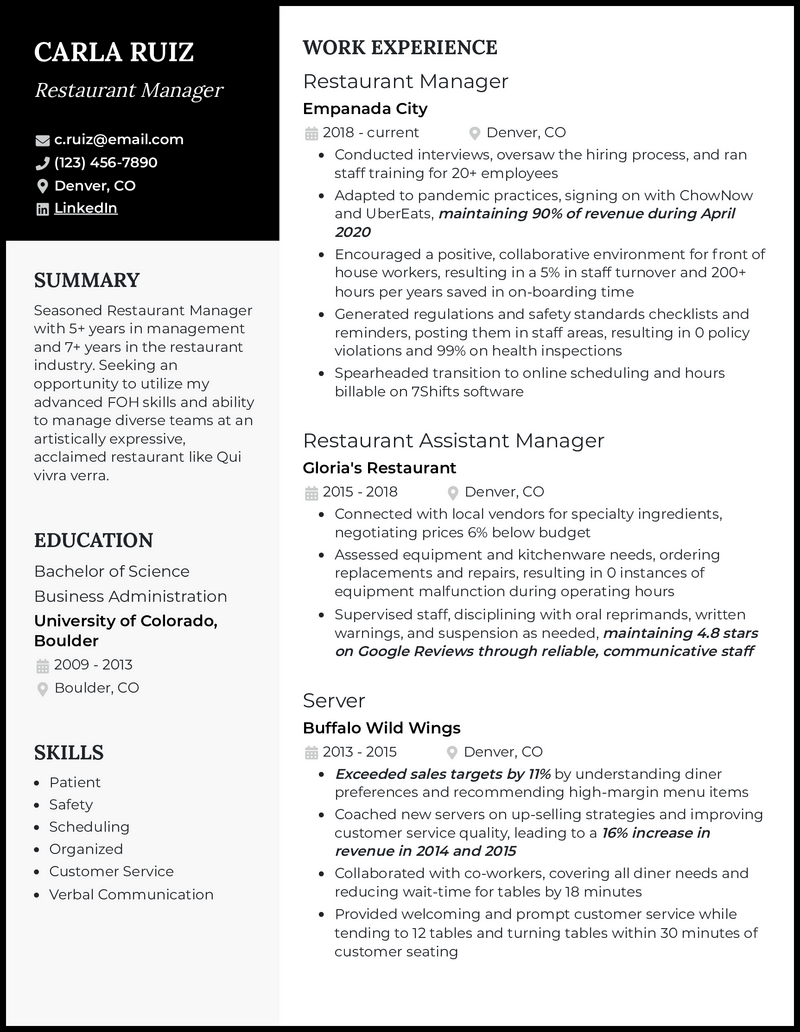
Don’t just list keywords; integrate them naturally into your experience descriptions. Replace passive language with strong action verbs that demonstrate impact. Instead of saying "Responsible for managing waste,’ say ‘Implemented a waste reduction program that reduced landfill waste by 20%."
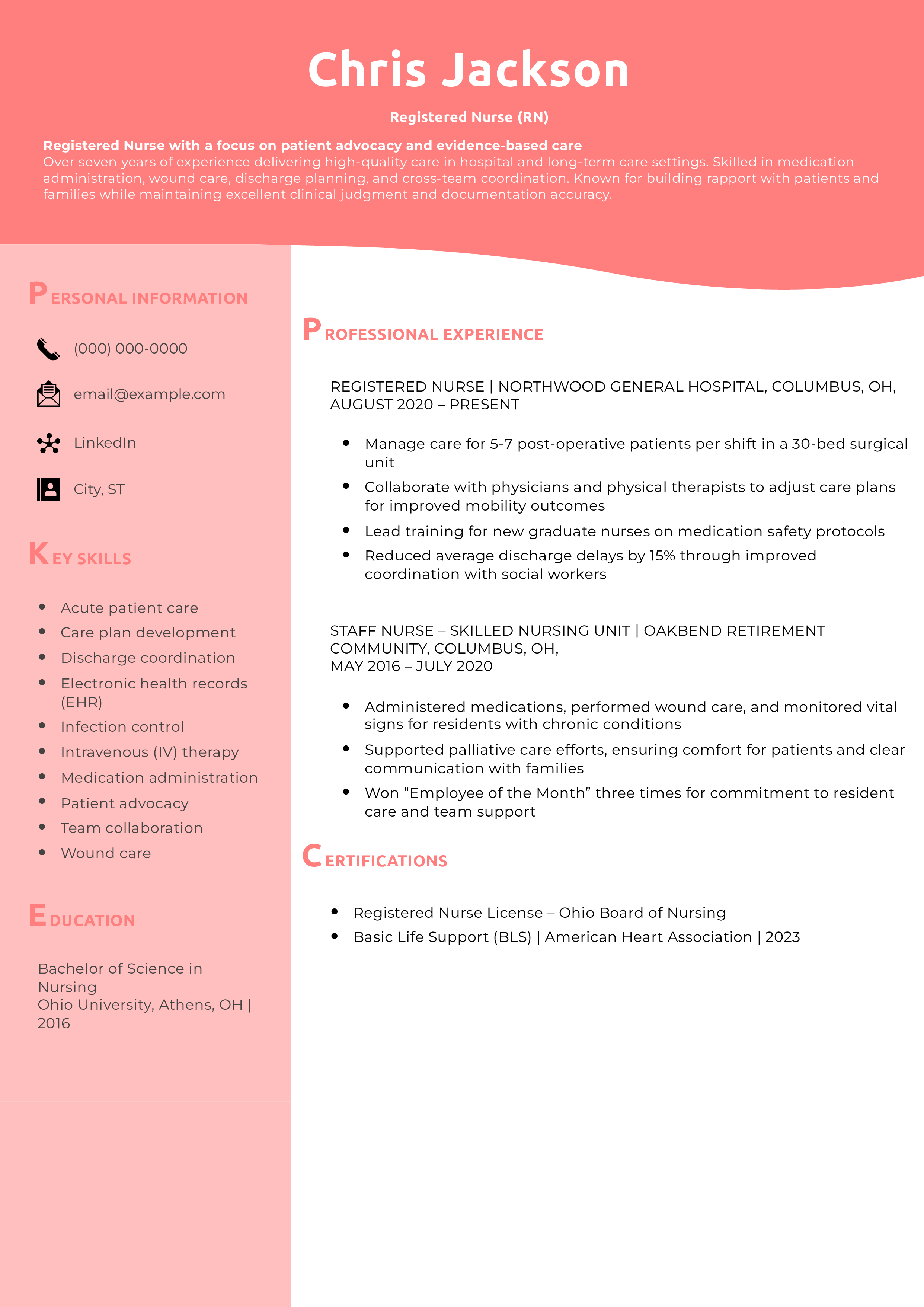
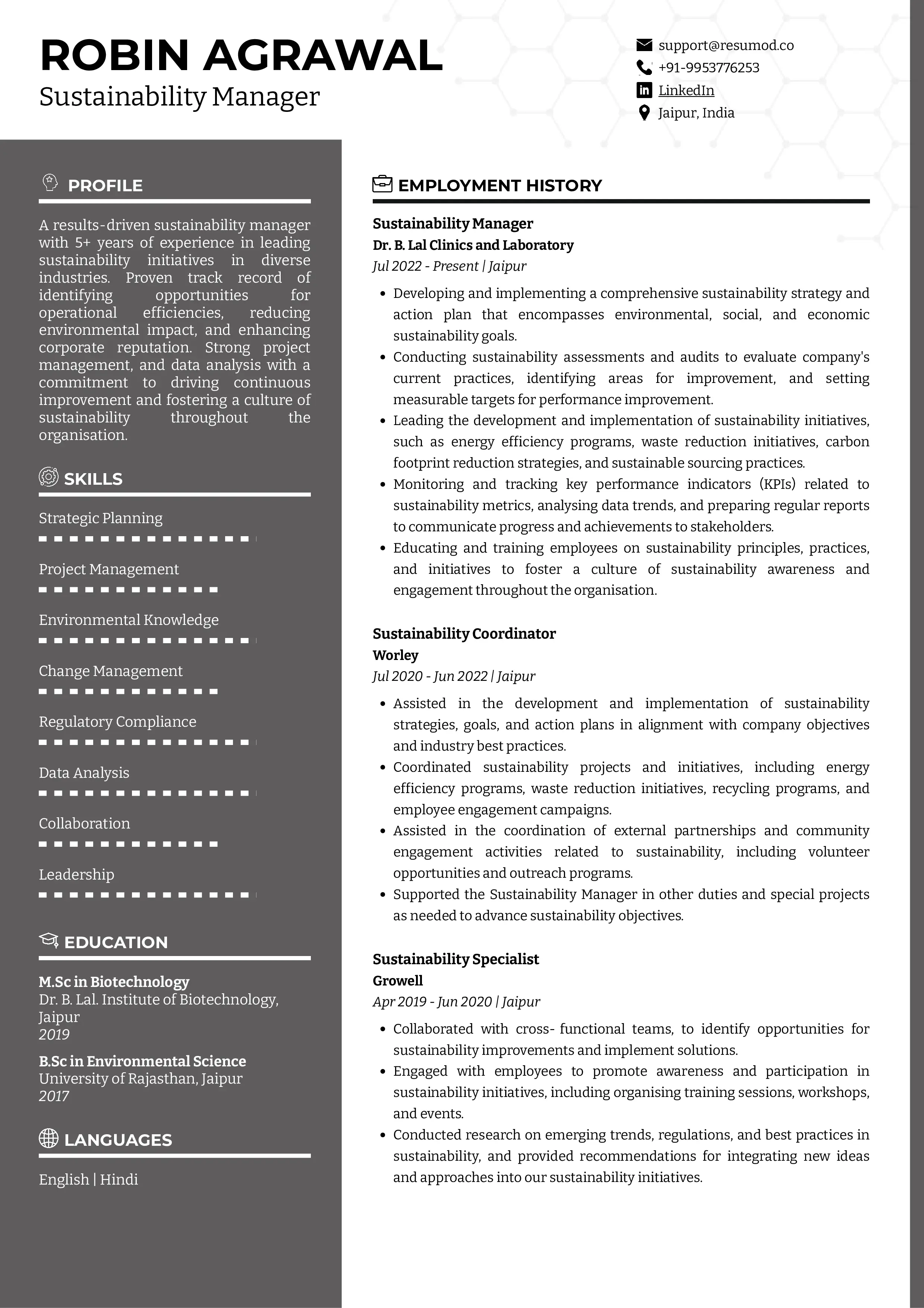
Reframing your experience is key. A project manager can emphasize their experience managing complex projects with environmental constraints. A marketing professional can highlight experience with sustainable branding or communicating environmental initiatives. A finance professional can showcase experience with ESG investing or impact analysis. Think about how your skills translate, even if your previous roles weren't explicitly "green."
- Renewable Energy: solar energy, wind turbine, grid integration
- Circular Economy: waste reduction, recycling programs, life cycle assessment
- ESG: ESG reporting, carbon accounting, impact investing
Sustainability Keywords for Resumes
- Renewable Energy - Solar PV Design: Demonstrates expertise in photovoltaic system design and implementation.
- Renewable Energy - Wind Turbine Technology: Highlights skills related to wind energy generation and maintenance.
- Waste Management - Zero Waste Strategies: Showcases knowledge of minimizing waste and maximizing resource utilization.
- Waste Management - Landfill Gas Capture: Indicates experience in capturing and utilizing methane gas from landfills.
- Environmental Compliance - Environmental Impact Assessment (EIA): Demonstrates ability to assess the environmental consequences of projects.
- Environmental Compliance - ISO 14001: Indicates familiarity with the international standard for environmental management systems.
- ESG Reporting - GRI Standards: Highlights experience with the Global Reporting Initiative’s sustainability reporting framework.
- ESG Reporting - SASB Standards: Demonstrates knowledge of the Sustainability Accounting Standards Board’s industry-specific standards.
- Circular Economy - Life Cycle Assessment (LCA): Shows expertise in evaluating the environmental impacts of a product throughout its life.
- Circular Economy - Extended Producer Responsibility (EPR): Indicates experience with schemes where producers are responsible for the end-of-life management of their products.
Transferable Skills: Bridging the Gap
The beauty of the sustainability movement is that it needs people from all backgrounds. A marketing professional with experience developing compelling campaigns can apply those skills to promote sustainable products or initiatives. The key is to showcase how your existing skillset aligns with sustainability goals.
If you're in finance, your risk assessment skills are your best asset for ESG investing. You're already trained to look at long-term viability; now you're just adding carbon footprints and labor practices to the spreadsheet.
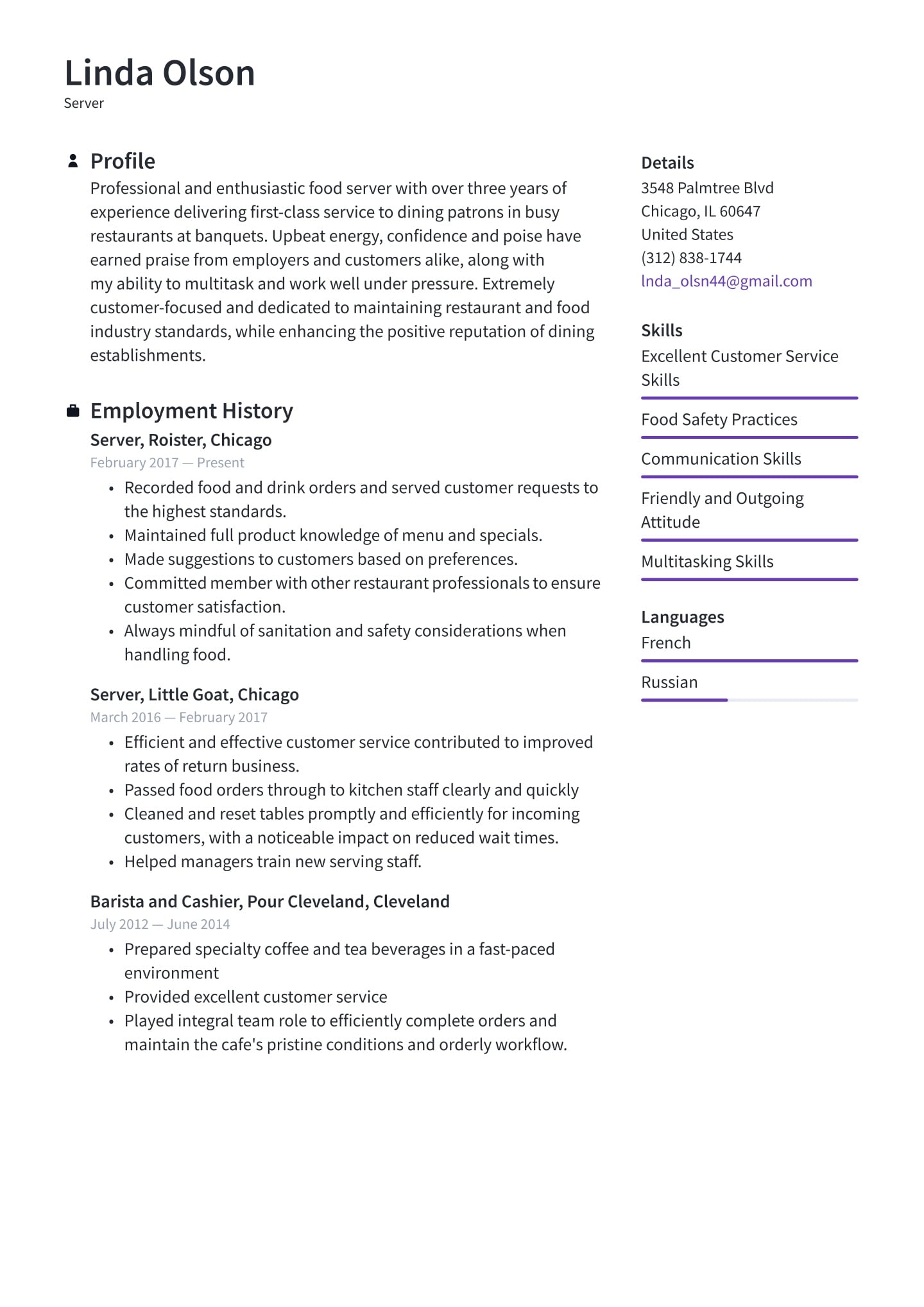
Even seemingly unrelated roles can be reframed. A teacher with experience developing curriculum can contribute to environmental education programs. A customer service representative with strong communication skills can excel in stakeholder engagement roles. It's about recognizing the value of your skills and articulating them in a way that resonates with sustainability employers.
Don’t underestimate the power of storytelling. Use the STAR method (Situation, Task, Action, Result) to demonstrate how you’ve used your skills to achieve positive outcomes. Focus on the impact you’ve made, even if it wasn’t directly related to sustainability. Quantify your achievements whenever possible.
Beyond the Resume: Networking & Certifications
A resume is a starting point, but it’s rarely enough to land a sustainability job. Networking is crucial. Attend industry events, join professional organizations like the U.S. Green Building Council, and connect with people on LinkedIn. Informational interviews can provide valuable insights and open doors to new opportunities.
Relevant certifications can significantly enhance your credentials. LEED AP (Leadership in Energy and Environmental Design Accredited Professional) is highly regarded in the green building industry. GRI (Global Reporting Initiative) certification demonstrates expertise in sustainability reporting. ISO 14001 certification demonstrates a commitment to environmental management systems.
Continuous learning is essential in this rapidly evolving field. Take online courses to upskill or reskill. Explore platforms like Coursera, edX, and LinkedIn Learning. Stay informed about the latest trends and technologies in sustainability.
Resources like GreenBiz, SustainableBusiness.com, and specialized recruitment agencies can also help you find sustainability jobs. Don’t be afraid to reach out to recruiters who specialize in this field. Building relationships and proactively seeking opportunities are key to a successful career transition.
What is the biggest challenge you are facing in your green career transition?
Pivoting your resume toward sustainability roles can come with unique hurdles. Whether you are rethinking your experience or exploring entirely new industries, we want to hear from you. Vote below and let the Dump CV community know where you stand so we can create resources that help you move forward with confidence.
No comments yet. Be the first to share your thoughts!