

The Rise of the Robot Recruiter
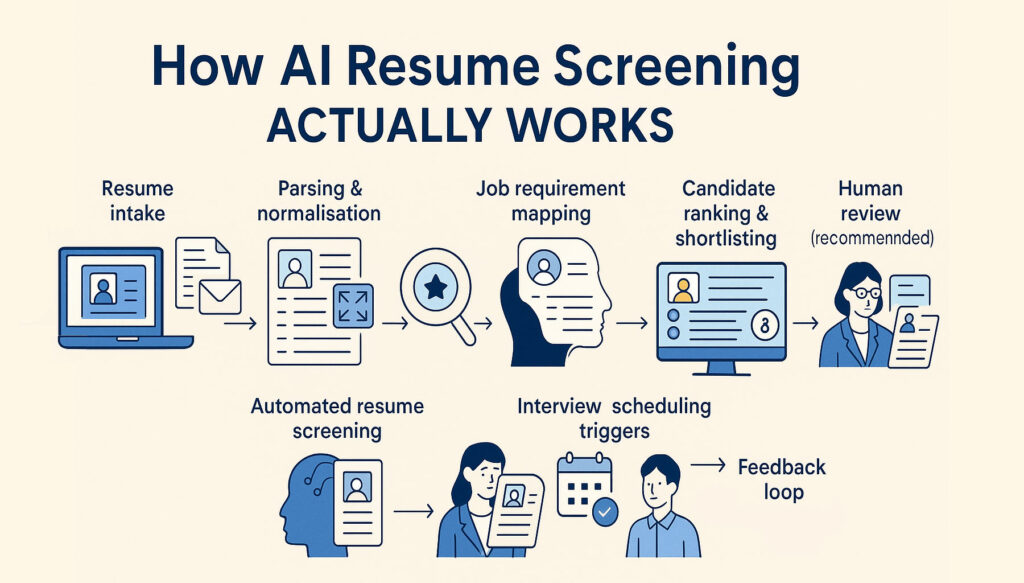
The job market has changed, and it’s not just about networking or having the right experience anymore. Applicant Tracking Systems, or ATS, are now the first line of defense for most companies receiving applications. These systems aren’t new – they’ve been around for a while – but their capabilities are evolving rapidly. What started as simple keyword scanning has become a sophisticated analysis of your entire professional profile.
Today’s ATS don’t just look for keywords; they’re designed to assess your skills, experience levels, and even attempt to predict your "cultural fit" with the company. They parse the information from your resume, categorizing it and assigning scores based on how well it matches the job description. This means a perfectly qualified candidate can be overlooked if their resume isn't optimized for these systems.
I see talented people lose opportunities because their resumes confuse the software. You have to write for two audiences: the machine and the human recruiter. Balancing these two is how you actually land the interview.
Smart keyword placement
Keyword research is essential, but it’s not about blindly stuffing your resume with industry jargon. The first step is to carefully analyze the job descriptions you’re targeting. What skills and experiences are consistently mentioned? What specific tools or technologies are they looking for? These are your keywords.
Don't just create a list, though. The placement of keywords matters. Integrate them naturally into your skills section, experience descriptions, and even your professional summary. A good rule of thumb is to mirror the language used in the job description – if they use the term "data analysis,’ use that instead of ‘data analytics."
I’ve seen candidates get tripped up by keyword stuffing. ATS are becoming smarter and can detect when you’re artificially inflating your resume with irrelevant terms. Tools like jobscan.co can be helpful for analyzing your resume against a specific job description, but don’t rely on them exclusively. They're a starting point, not a magic bullet. Remember to prioritize clarity and readability – a human will likely read your resume eventually.
Focus on long-tail keywords as well. These are more specific phrases that describe your skills and experience. For example, instead of just “marketing,” try “digital marketing campaign management” or “social media marketing strategy.” This shows a deeper level of expertise and can help you stand out.
- Identify skills and tech mentioned in job posts.
- Put keywords in your skills and experience sections naturally.
- Prioritize Long-Tail Keywords: Be specific about your expertise.
- Avoid Keyword Stuffing: Focus on clarity and readability.
Formatting for parsers
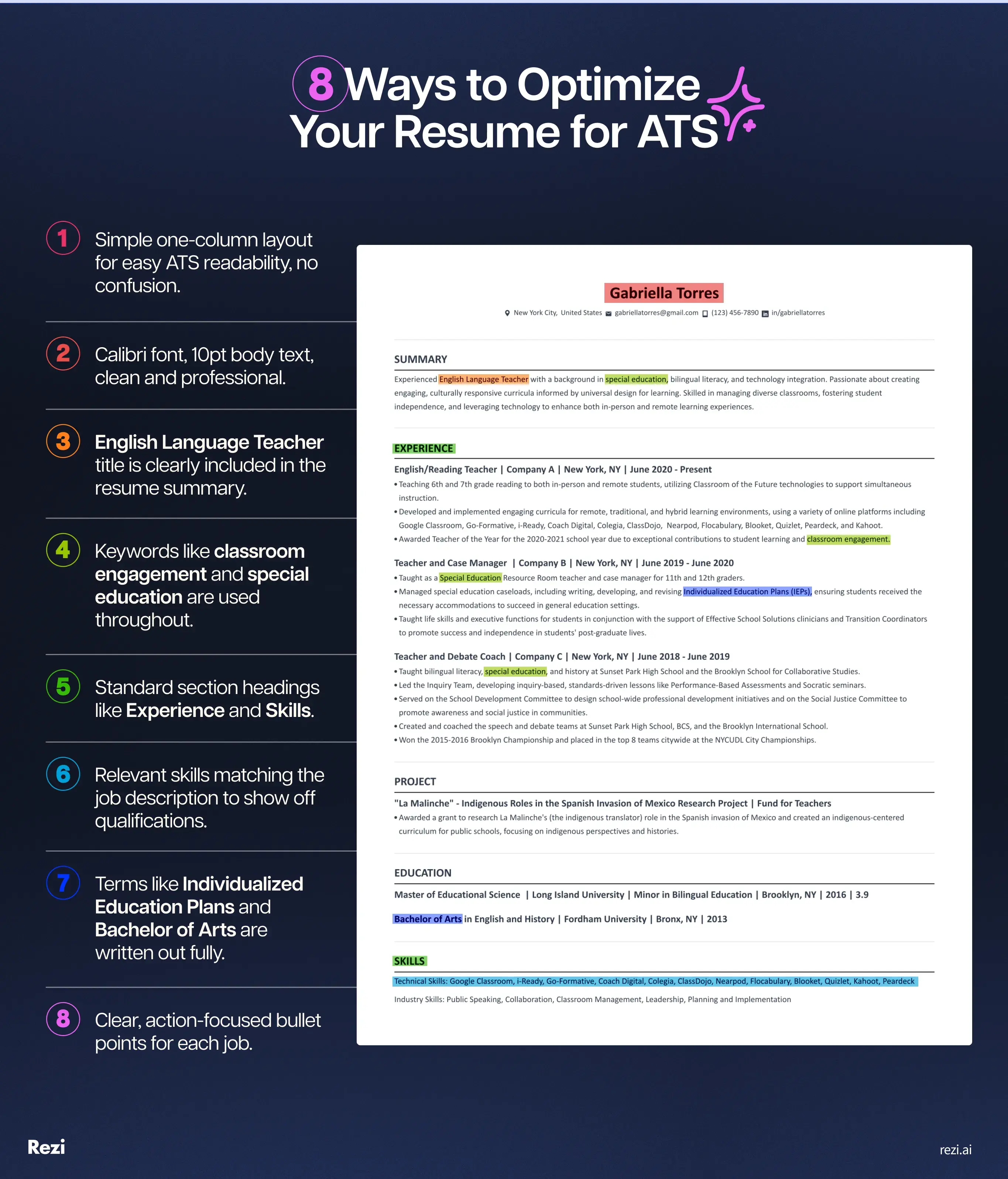
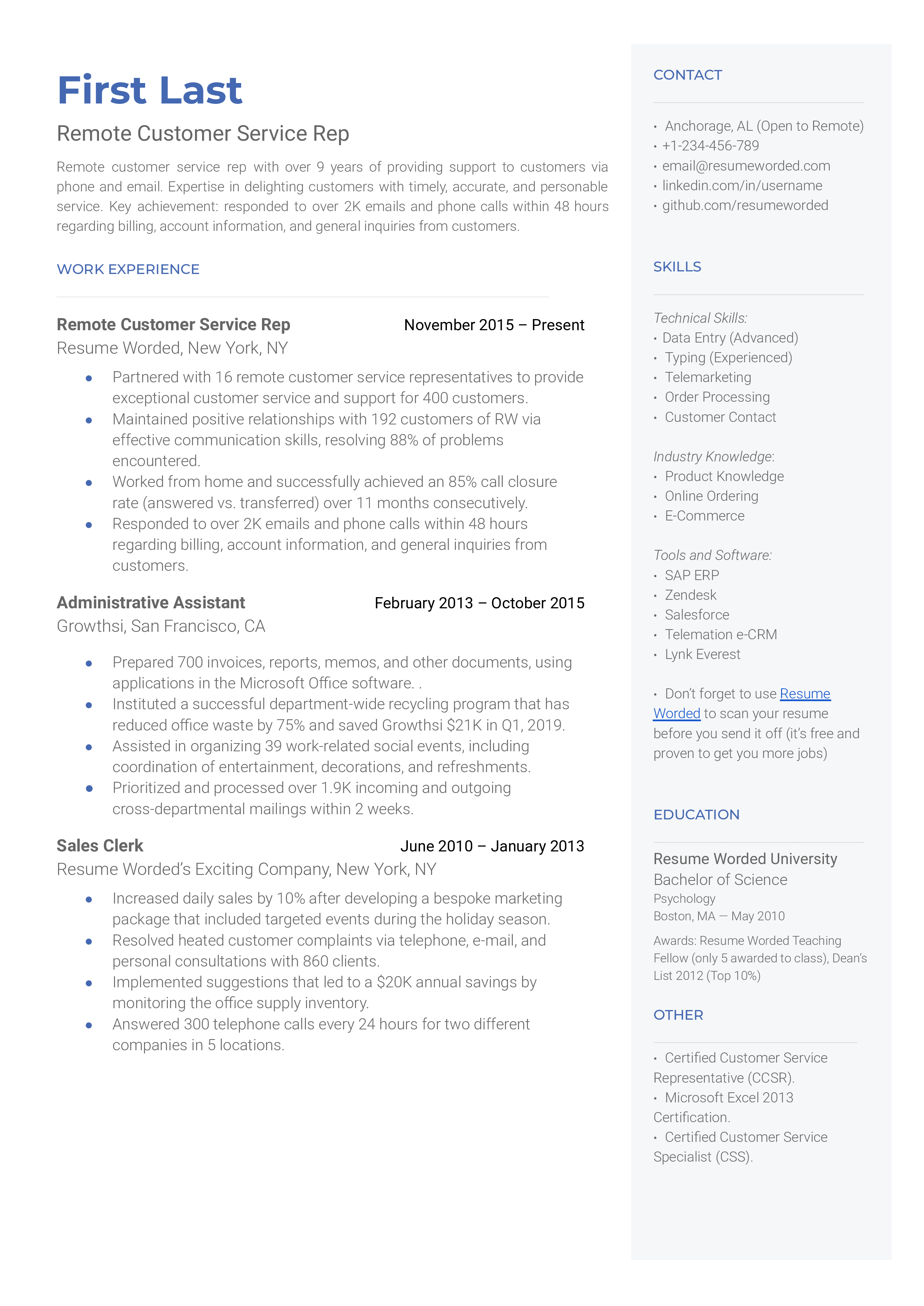
ATS are surprisingly picky about formatting. The goal is to make it easy for the system to parse your information accurately. Stick to standard headings like "Summary,’ ‘Experience,’ ‘Education,’ and ‘Skills." This provides a clear structure that ATS can readily understand.
Avoid anything that could confuse the parser. Tables, text boxes, images, and fancy graphics can all cause problems. According to orise.orau.gov, simplicity is key. Use a clean, straightforward layout with clear headings and bullet points. It’s better to be safe than sorry.
File format matters, too. While PDF is becoming more widely accepted, Word .docx is generally the safest bet. If you do use PDF, make sure it’s a text-based PDF, not an image-based one. And font choice is surprisingly important – avoid overly decorative fonts that might not be recognized by the ATS. Stick to classic, readable fonts like Arial, Calibri, or Times New Roman.
Don't use hidden white text to stuff keywords. It's an old trick that modern parsers flag as a red flag.
Skills Sections: Show, Don't Just Tell
Listing skills is a good start, but it’s not enough. You need to demonstrate your proficiency. Don’t just say “Project Management”; provide context. For example, “Led cross-functional teams to deliver projects on time and under budget, resulting in a 15% cost savings.”
Use action verbs to describe your skills and accomplishments. Instead of “Responsible for,” use “Managed,” “Developed,” or “Implemented.” Quantify your achievements whenever possible. Numbers speak volumes and provide concrete evidence of your abilities.
Tailor your skills section to each job application. Don’t just have one generic skills list. Review the job description and highlight the skills that are most relevant. This shows the recruiter that you’ve taken the time to understand their needs.
Consider breaking down your skills into categories. For example, you could have sections for "Technical Skills,’ ‘Soft Skills,’ and ‘Language Skills." This makes it easier for the recruiter (and the ATS) to quickly identify your key strengths.
Experience Descriptions: Storytelling for AI
Your experience descriptions are your opportunity to shine. Focus on accomplishments, not just responsibilities. What did you achieve in each role? How did you contribute to the success of the company? AI is getting better at understanding the quality of your writing, not just the keywords.
The STAR method (Situation, Task, Action, Result) is a great way to structure your descriptions. Briefly describe the situation, the task you were assigned, the actions you took, and the results you achieved. This provides a clear and concise narrative that both AI and humans can understand.
Quantify your achievements whenever possible. Instead of saying “Improved customer satisfaction,” say “Improved customer satisfaction scores by 10%.” Instead of “Managed a team,” say “Managed a team of 5 developers.” Numbers add credibility and impact.
Don’t be afraid to use strong action verbs and descriptive language. But keep it concise and avoid jargon. Remember, you’re writing for two audiences. A compelling narrative that showcases your skills and accomplishments will resonate with both the AI and the human recruiter.
- Situation: Briefly describe the context.
- Task: Explain the challenge or objective.
- Action: Detail the steps you took.
- Result: Highlight the positive outcome.
Adding personality
While optimizing for ATS is crucial, don’t sacrifice your personality. Your resume is your personal brand, and it should reflect who you are. Include a professional summary that showcases your unique value proposition. What makes you stand out from other candidates?
Consider adding a section for personal projects or volunteer experience. This demonstrates initiative, passion, and a willingness to go the extra mile. It also provides an opportunity to showcase skills that might not be directly relevant to the job description.
Resumes don't have to be sterile. A bit of personality helps, provided it fits the industry. Your resume is just a way to tell your professional story.
Think about what you want the recruiter to feel when they read your resume. Do you want them to see you as a problem-solver, a leader, or a creative thinker? Your resume should convey those qualities.
No comments yet. Be the first to share your thoughts!