
The shift to remote resumes
Remote and hybrid roles are no longer perks. Indeed data shows a steady rise in remote postings since 2019. Because of this, a resume that just lists past duties is a relic. You have to change how you present your history to get noticed now.
Companies are now evaluating candidates through a different lens, prioritizing self-direction, adaptability, and proven digital proficiency. The ability to thrive without constant supervision is highly valued. I’ve spoken with recruiters who emphasize they’re looking for evidence of independent problem-solving and proactive communication.
The 'old' resume rules—focused on lengthy descriptions of duties—just don't cut it anymore. You need to prove you can deliver results in a distributed environment. This means focusing on accomplishments and quantifiable outcomes, not just responsibilities. It’s about demonstrating your ability to be a high-performing member of a virtual team.
Skills that matter more than Zoom
Employers aren’t just looking for people who can use remote work tools; they want individuals with the underlying skills to excel in a distributed setting. Saying you’re "proficient in Zoom’ is like saying you know how to drive a car – it doesn"t tell me anything about your driving skills. What they really need is evidence of asynchronous communication – the ability to convey information clearly and effectively without relying on real-time meetings.
Digital project management is a requirement. You need to show you can organize tasks and track progress in Asana or Jira without someone looking over your shoulder. I see more interview requests for people who mention specific software workflows rather than just 'teamwork'.
Demonstrating these skills requires more than just listing keywords. You need to weave them into your experience descriptions, providing concrete examples of how you’ve used them to achieve positive outcomes. For example, instead of saying 'Strong communication skills,' try 'Successfully managed a fully remote project team, utilizing asynchronous communication strategies to deliver the project on time and under budget.'
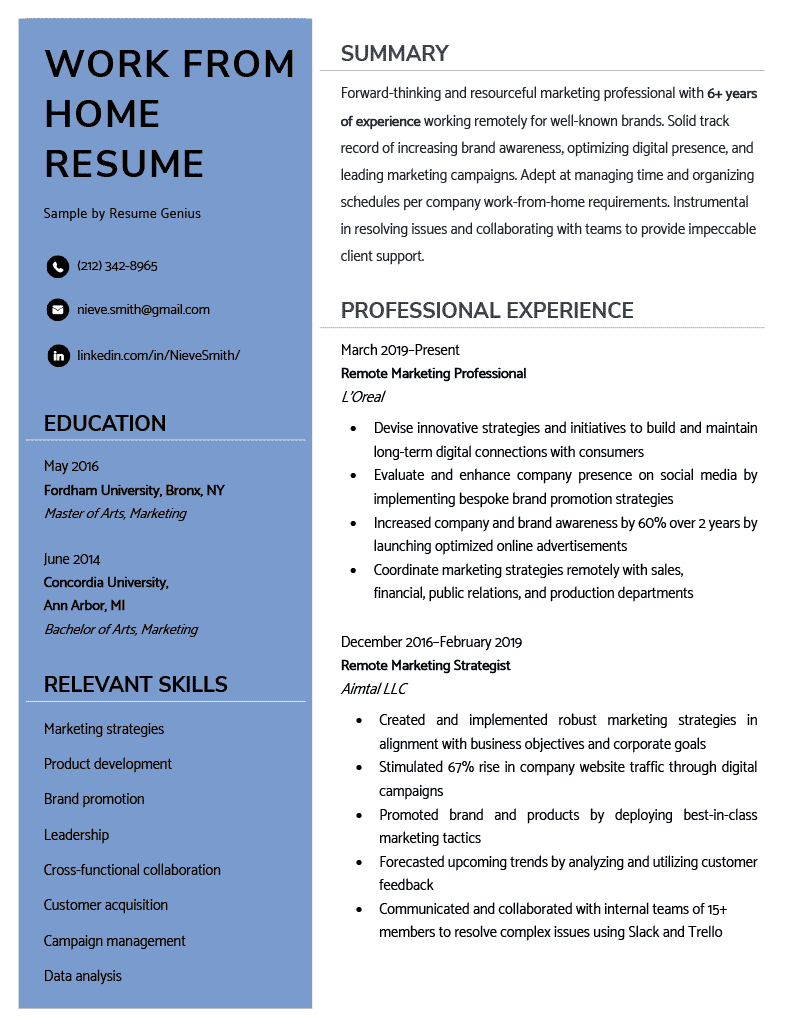
- Asynchronous communication: Writing clear, brief updates that don't require a follow-up call.
- Digital Project Management: Proficiency with tools like Asana, Trello, Jira.
- Self-Motivation: Ability to work independently and stay on track.
- Adaptability: Learning new software quickly as the team moves between tools.
Choosing a format for distributed work
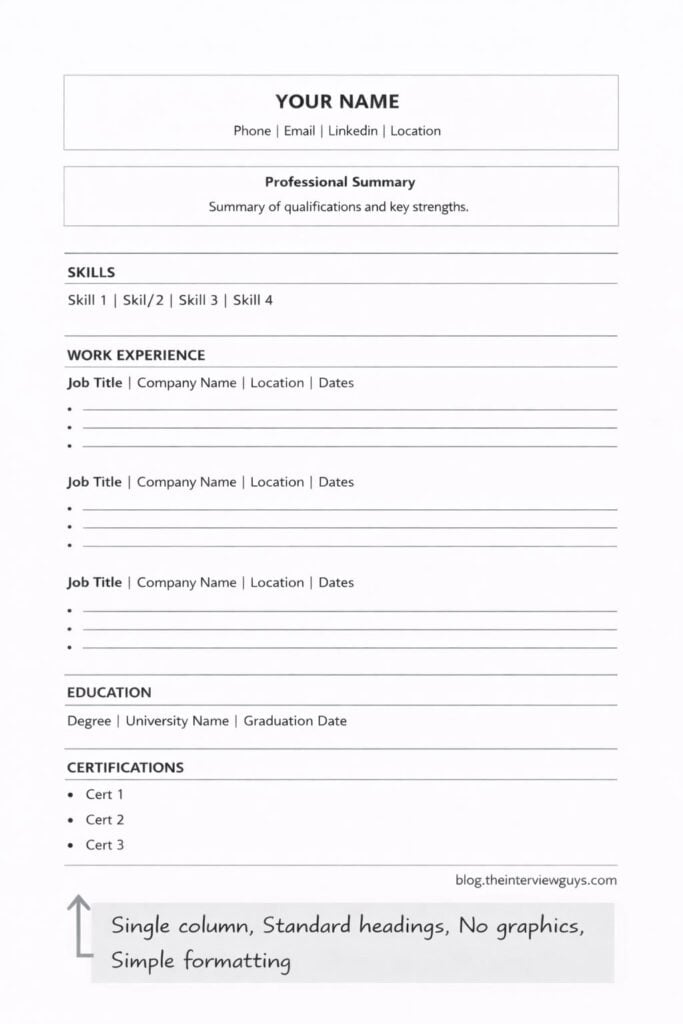
When it comes to format, you have three main options: chronological, functional, and combination. A chronological resume, which lists your work history in reverse order, is best if you have a consistent work history with clear career progression. However, it can be less effective if you’re changing careers or have gaps in your employment.
A functional resume focuses on your skills rather than your work history. This can be useful if you’re trying to downplay gaps or highlight specific skills relevant to the remote role. However, employers often view functional resumes with skepticism, as they can appear to hide something. I believe the combination format is often the strongest approach.
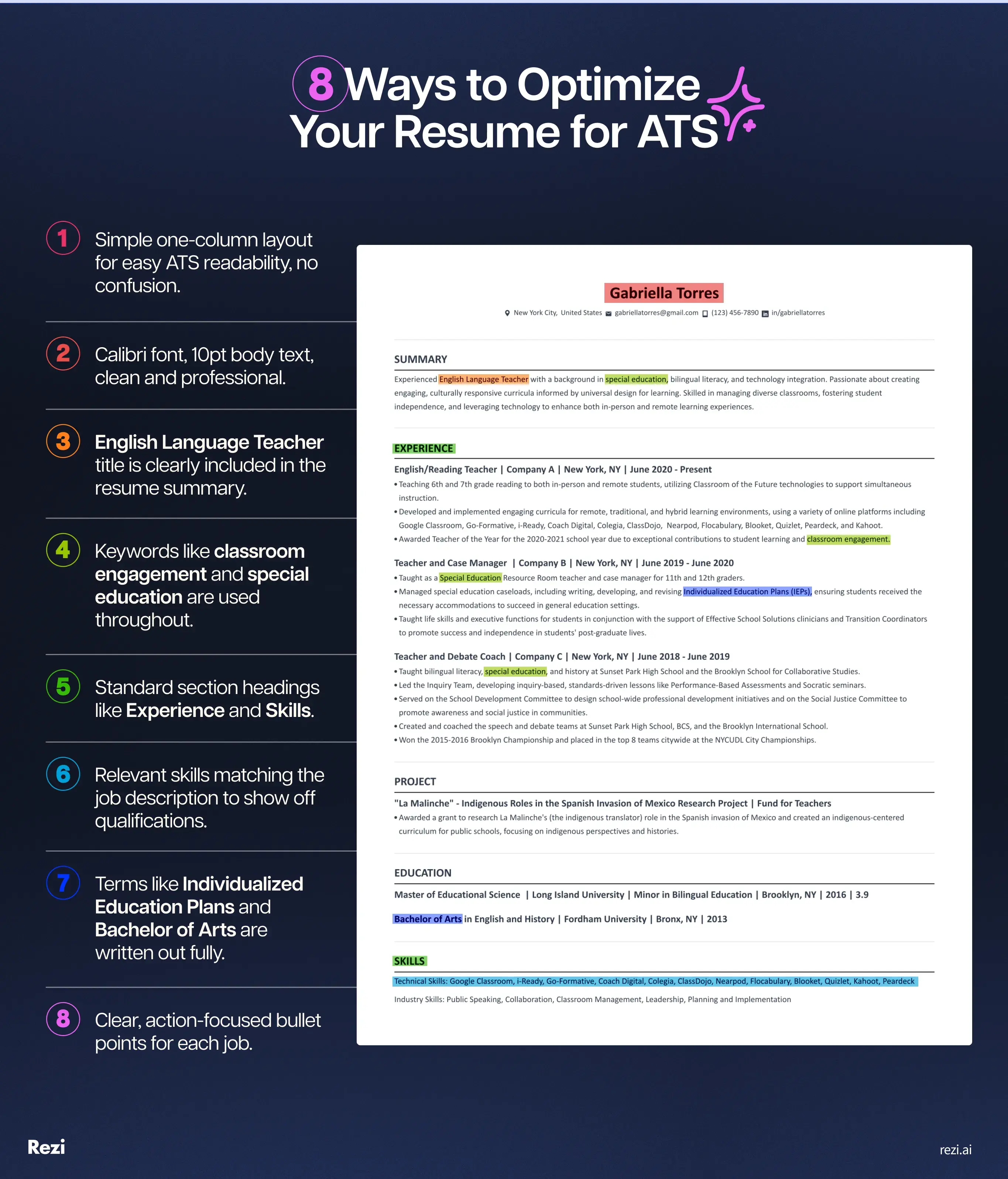
A combination resume blends the best of both worlds, highlighting both your skills and your experience. It allows you to showcase your accomplishments and demonstrate your ability to apply those skills in real-world situations. Don't forget about Applicant Tracking Systems (ATS). These systems scan resumes for keywords, so make sure your resume is optimized for the specific job description.
Quantify Your Remote Impact
This is where many candidates fall short. It’s not enough to say you "managed a team remotely.’ You need to demonstrate how you succeeded. Vague statements like ‘improved efficiency" are meaningless without context. Employers want to see data that proves your contributions.
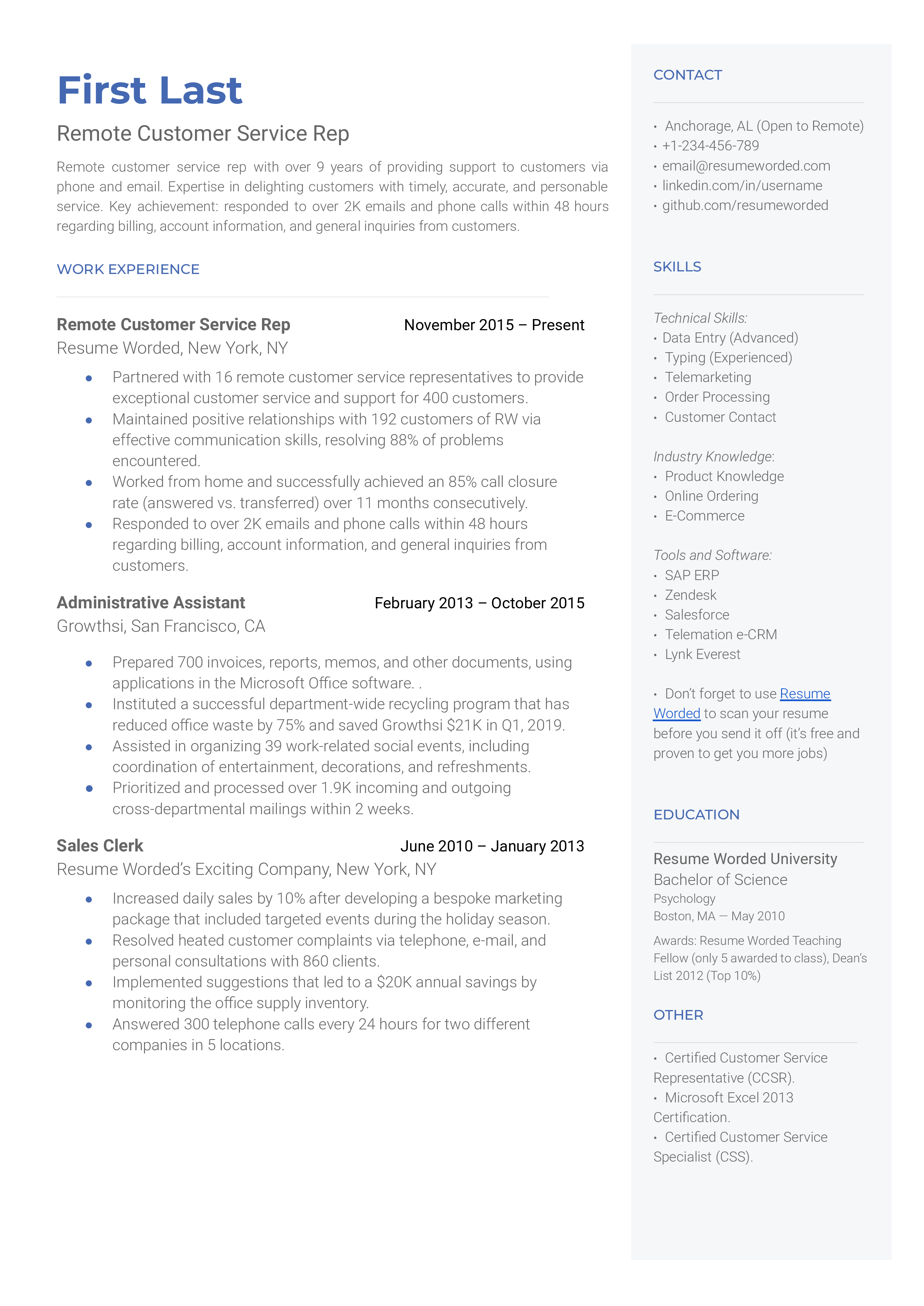
Focus on using metrics and numbers to quantify your achievements, even when working independently. Instead of "Improved team communication,’ try ‘Increased team response time by 15% using Slack and Asana, resulting in faster project completion.’ Or, instead of ‘Managed a remote customer support team,’ try ‘Led a remote customer support team of 10, achieving a 95% customer satisfaction rating and reducing average resolution time by 20%."
Think about the challenges you faced in a remote setting and how you overcame them. Did you streamline a process? Did you improve collaboration? Did you increase productivity? Use numbers to tell your story. I've seen candidates with strong quantifiable results consistently outperform those who rely on vague descriptions.
- Step 1: Identify your key accomplishments in each role.
- Step 2: Think about how you can quantify those accomplishments.
- Step 3: Use numbers and data to demonstrate your impact.
Naming your tools
Employers are looking for candidates who are proficient in a range of virtual collaboration tools. This includes project management software like Asana, Trello, and Jira; communication platforms like Slack, Microsoft Teams, and Zoom; and cloud storage solutions like Google Drive and Dropbox. Listing these tools is a good start, but it’s not enough.
You need to demonstrate how you’ve used these tools to achieve specific results. For example, instead of just listing "Slack,’ try ‘Utilized Slack channels to facilitate real-time communication and collaboration among a geographically dispersed team, resulting in faster problem-solving and improved project outcomes."
I’ve noticed a trend toward candidates who can demonstrate experience with multiple tools. This shows adaptability and a willingness to learn new technologies. Don’t be afraid to highlight your proficiency in less common tools if they’re relevant to the job description.
The 'Digital Nomad' Section: To Include or Not?
This is a tricky one. Explicitly mentioning a 'digital nomad' lifestyle on your resume can be a double-edged sword. Some companies are attracted to the idea of a globally-minded candidate with experience working independently, while others may be concerned about time zone differences, commitment, or logistical challenges.
If you choose to include this information, frame it carefully. Focus on the skills you’ve developed as a digital nomad, such as adaptability, resourcefulness, and self-discipline. Avoid language that suggests you’re constantly traveling or unavailable. Consider a brief line in a 'Personal Interests' or 'Additional Information' section.
Transparency is key. If you’re asked about your travel history in an interview, be honest and upfront. Explain how you’ve managed to maintain a high level of productivity while working remotely from different locations.
Resume Standouts: Uncommon Skills to Emphasize
Beyond the standard remote work skills, there are a few less common abilities that are becoming increasingly valuable. Data analysis skills are highly sought after, as employers need people who can interpret data and make informed decisions, even when working remotely. Cybersecurity awareness is also critical, as remote workers are often more vulnerable to security threats.
Cross-cultural communication is another important skill, especially if you’re working with a global team. The ability to effectively communicate with people from different backgrounds and cultures is essential for building strong relationships and fostering collaboration. I'm seeing a growing demand for candidates who can proactively identify and solve problems independently.
These skills demonstrate initiative and resourcefulness – qualities that are highly valued in remote workers. Don't be afraid to highlight these skills on your resume, even if they’re not directly related to the job description. They can help you stand out from the competition.
No comments yet. Be the first to share your thoughts!