
New rules for remote resumes
The rules for creating a compelling resume have changed, and they’ve changed significantly for anyone seeking remote positions. It's no longer enough to simply list your job history and hope for the best. The emphasis has shifted dramatically. Where once employers valued physical presence and demonstrable "office skills" – being a team player, showing up on time – they now prioritize demonstrable remote work capabilities. This isn't simply an update to your existing resume; it's a fundamental rethinking of how you present yourself as a professional.
The rise of remote work, accelerated by recent global events, has led to a surge in applicants for each available position. Competition is fierce. A generic resume, even one with impressive experience, will likely get lost in the shuffle. You need a targeted approach, one that directly addresses the specific requirements of remote roles and showcases your ability to thrive in a distributed work environment. This means focusing on outcomes, demonstrating self-sufficiency, and proving your ability to communicate effectively without constant in-person interaction.
Think about what employers can’t easily assess in a remote candidate. They can’t observe your work ethic firsthand, or gauge your team dynamics through casual office interactions. Your resume needs to fill those gaps, providing concrete evidence of your skills and accomplishments. This isn't about exaggerating your abilities; it's about strategically highlighting the aspects of your experience that are most relevant to remote work success. A well-crafted resume is your first, and often only, opportunity to make a strong impression.
Skills that actually matter in 2026
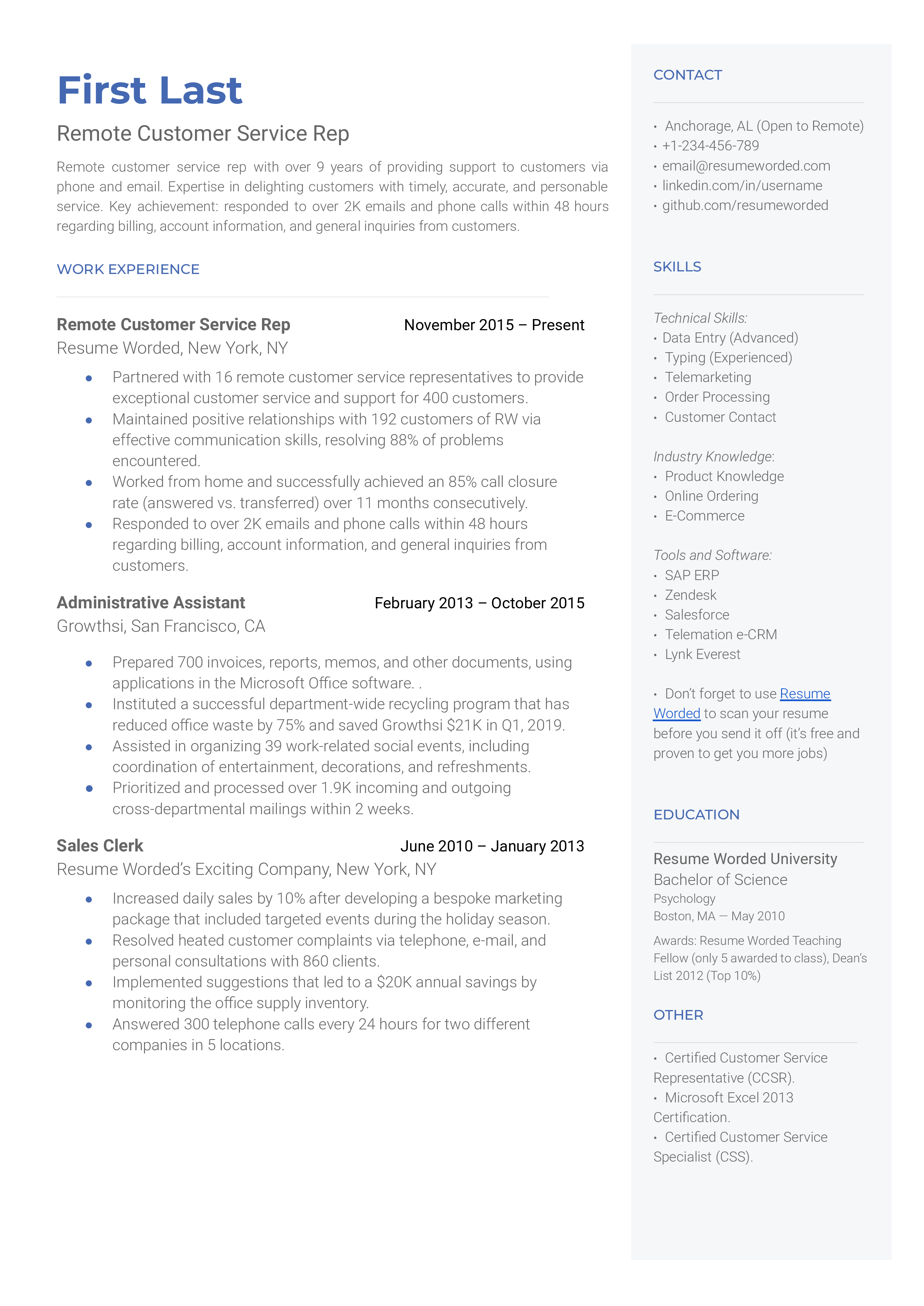
Ditch 'team player' and 'hard worker.' In 2026, remote employers want specific technical and behavioral proof. Data from Pitt State's career center shows that generic resumes fail because they don't address the friction of distributed work. You need to show you can handle the job and the isolation simultaneously.
Hard skills are evolving. Proficiency in project management software – Asana, Trello, and Jira are consistently mentioned by employers – is nearly essential for many roles. Data analytics tools like Tableau and Power BI are also in high demand, as companies rely on data to track performance and make informed decisions. Cybersecurity awareness is increasingly important, as remote workers are often more vulnerable to cyber threats. Knowledge of cloud-based collaboration platforms, like Google Workspace and Microsoft 365, is also a must-have.
However, soft skills remain critical, but they need to be framed in the context of remote work. Indeed.com emphasizes the importance of asynchronous communication – the ability to communicate effectively without relying on real-time interactions. Self-direction, results-orientation, and adaptability are also highly valued. Employers want to see evidence that you can manage your time effectively, take initiative, and solve problems independently. Demonstrating a proactive approach to communication and a willingness to learn new technologies are also key.
It’s not just about having these skills; it’s about demonstrating them. Instead of simply listing "communication skills’, provide examples of how you’ve used those skills to achieve specific outcomes in a remote setting. Did you successfully manage a remote team? Did you resolve a conflict through asynchronous communication? Did you proactively identify and address a potential problem before it escalated? These are the kinds of examples that will capture an employer"s attention.
- Proficiency in Asana, Trello, or Jira to manage distributed workflows.
- Data Analytics Tools: Tableau, Power BI
- Collaboration Platforms: Google Workspace, Microsoft 365
- Cybersecurity Awareness: Understanding of remote security protocols
Moving beyond the chronological format
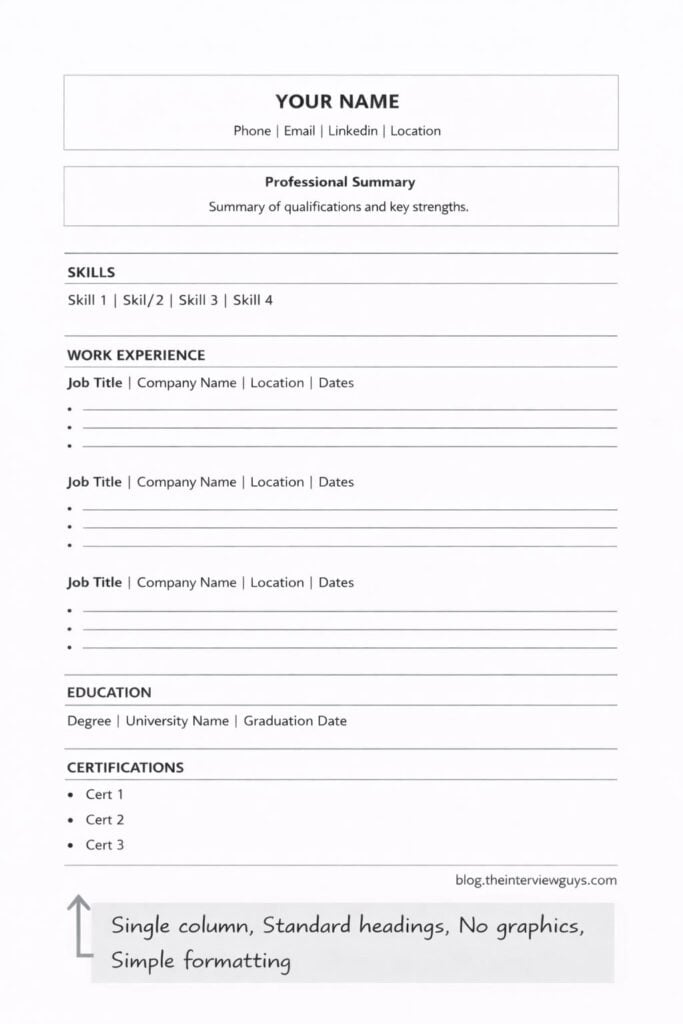
For years, the chronological resume – listing your work experience in reverse chronological order – has been the standard. But for remote job seekers, it’s not always the best option. A chronological resume emphasizes stability and career progression, which may not be ideal if you’ve had periods of unemployment or have made significant career changes. It can also downplay skills that are highly relevant to remote work but weren’t explicitly required in your previous roles.
Functional resumes, which focus on your skills rather than your work history, can be a good alternative in certain situations. They allow you to de-emphasize gaps in your employment or highlight skills that you’ve developed through personal projects or volunteer work. However, functional resumes can also be viewed with skepticism by employers, as they may suggest that you’re trying to hide something. They’re best suited for individuals with unconventional career paths or limited work experience.
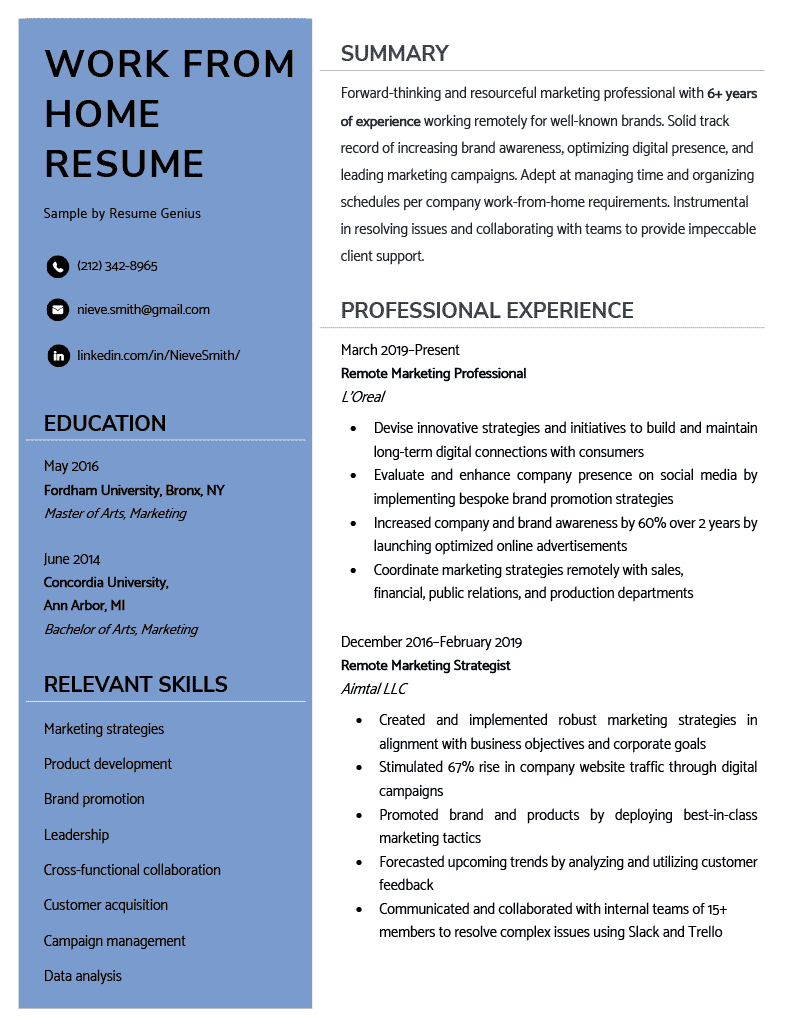
Combination resumes – blending elements of both chronological and functional formats – often strike the best balance. They allow you to showcase your skills and your experience, providing a more comprehensive picture of your qualifications. You can start with a skills summary highlighting your key remote work capabilities, then follow with a chronological work history that demonstrates how you’ve applied those skills in real-world settings. This is often the most effective approach for remote job seekers.
Be realistic about the drawbacks of each format. A functional resume can raise red flags if not executed well. A chronological resume might bury your most valuable remote-specific skills. The key is to choose the format that best showcases your strengths and addresses any potential weaknesses in your background.
Keyword Optimization for ATS & Humans
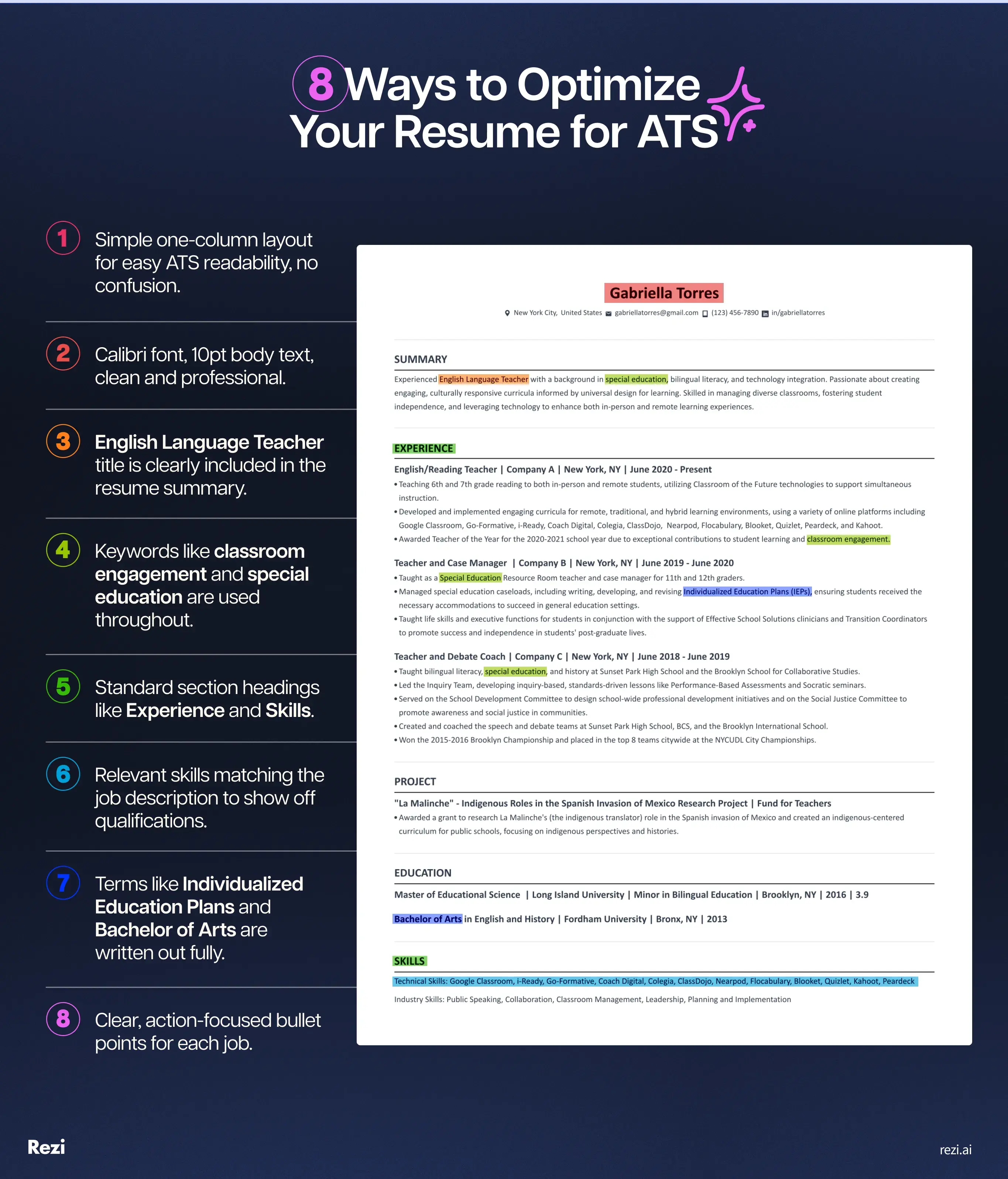
Applicant Tracking Systems (ATS) are used by many companies to screen resumes before they ever reach a human recruiter. These systems scan your resume for specific keywords related to the job description. If your resume doesn’t contain those keywords, it may be automatically rejected, even if you’re a highly qualified candidate. Therefore, keyword optimization is still important.
However, keyword stuffing – simply listing a bunch of keywords without any context – is a common mistake. ATS systems are becoming increasingly sophisticated and can detect this practice. More importantly, it makes your resume difficult to read for human recruiters. You need to integrate keywords naturally into your experience descriptions, demonstrating how you’ve used those skills in the past.
How do you identify the right keywords? Start by carefully reviewing the job description. What skills and qualifications are explicitly mentioned? Also, research LinkedIn profiles of people who are already working in similar roles. What keywords do they use to describe their experience? Resumeworded.com offers tools to help analyze job descriptions and identify relevant keywords.
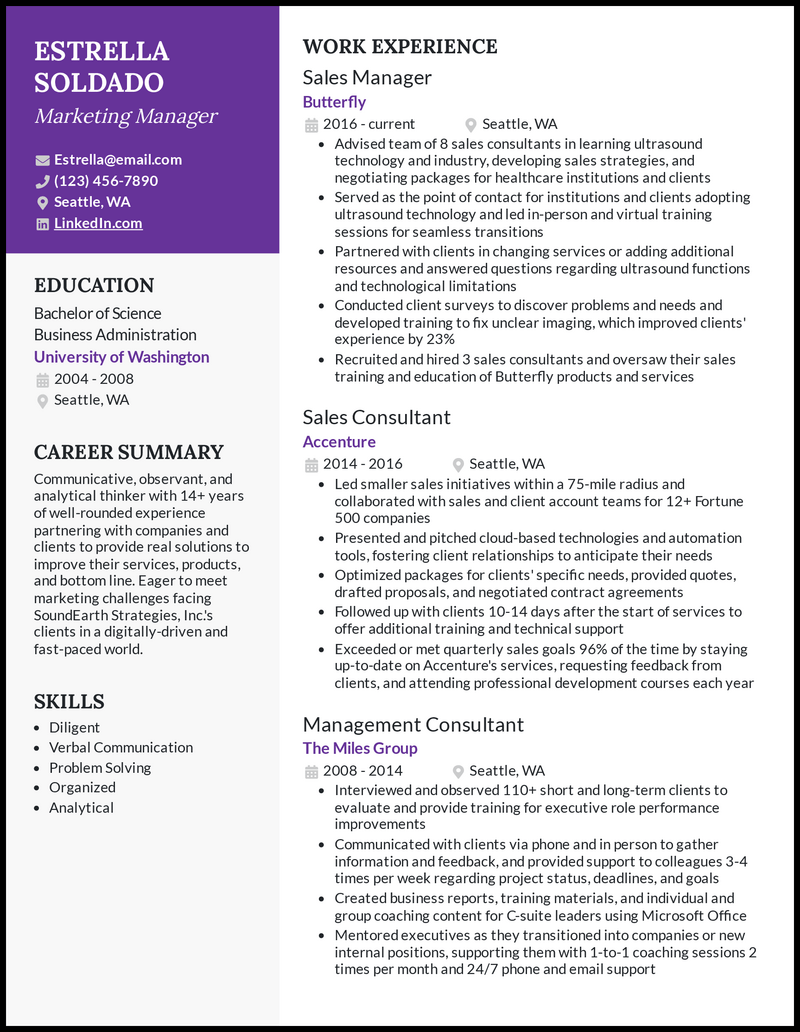
Here’s a quick example: Instead of writing "Responsible for project management’, try ‘Managed cross-functional projects using Agile methodologies and Jira, resulting in a 10% reduction in project completion time." The second example is more specific, includes relevant keywords (Agile, Jira), and quantifies your achievements.
- Strong Keyword Usage: 'Managed remote teams using Slack and Zoom, improving communication efficiency by 15%.'
- Weak Keyword Usage: 'Slack, Zoom, communication, remote team'
Resume Keyword Strategy: Balancing Relevance, Density, and Readability
| Keyword Relevance | Keyword Density | Readability | Impact on ATS |
|---|---|---|---|
| High | Optimal | Good | Strong. Highly relevant keywords significantly improve Applicant Tracking System (ATS) scoring, ensuring your resume is seen by recruiters. However, avoid keyword stuffing. |
| High | Excessive | Poor | Counterproductive. While ATS will recognize keywords, overuse diminishes readability for human reviewers and can be flagged as spam, lowering your overall score. |
| Medium | Optimal | Very Good | A balanced approach. Incorporating moderately relevant keywords alongside strong writing demonstrates versatility and understanding of the role. ATS scoring will be positive, and the resume remains engaging. |
| Medium | Low | Excellent | Suitable for roles prioritizing soft skills or where keyword matching is less critical. Readability is prioritized, but ATS ranking may be lower if specific keywords are absent. |
| Low | Optimal | Good | Generally not recommended unless the keywords are broadly applicable to the industry. ATS may not prioritize these keywords, but readability remains strong. |
| Low | Excessive | Poor | Detrimental. Irrelevant keywords confuse both ATS and human reviewers, signaling a lack of focus and potentially disqualifying your application. |
| High | Moderate | Good | A safe and effective strategy. Ensures ATS recognition without sacrificing readability. Focus on integrating keywords naturally within accomplishment statements. |
| Medium | Moderate | Very Good | Ideal for showcasing a diverse skillset. Demonstrates adaptability and a broader understanding of the field. ATS scoring will be acceptable, and the resume will be easy to read. |
Illustrative comparison based on the article research brief. Verify current pricing, limits, and product details in the official docs before relying on it.
Quantify Your Remote Impact
Generic statements like "Improved team communication’ or ‘Increased efficiency" are meaningless without context. Employers want to see concrete evidence of your accomplishments. Quantify your impact whenever possible. Use numbers, percentages, and specific examples to demonstrate your value as a remote worker.
Instead of saying "Successfully managed a remote project’, say ‘Managed a fully remote team of five developers to deliver a critical software update on time and under budget, resulting in a 20% increase in user engagement." The second example is far more compelling because it provides specific details and quantifies the results.
Think about the challenges you’ve overcome as a remote worker. Did you successfully adapt to a new communication tool? Did you find a way to stay productive despite distractions? Did you proactively identify and resolve a problem that could have impacted the project timeline? These are the kinds of stories that will resonate with employers.
Don't be afraid to use metrics that aren't directly related to revenue. Time saved, cost reductions, and process improvements are all valuable accomplishments that can demonstrate your impact as a remote worker. For instance, "Automated a manual reporting process using Python, saving the team 10 hours per week."
Highlighting Remote Tools & Tech Stack
Don’t just list the remote work tools you’re familiar with; showcase how you’ve used them to achieve specific outcomes. A dedicated "Technical Skills’ or ‘Tools & Technologies" section can be helpful, but even more effective is to integrate these tools into your experience descriptions.
Instead of simply stating "Proficient in Zoom’, write ‘Facilitated weekly team meetings using Zoom, incorporating breakout rooms and interactive whiteboards to foster collaboration and engagement." This demonstrates not only your proficiency with the tool but also your ability to use it effectively to achieve a specific goal.
Think beyond the obvious tools like Zoom and Slack. Include project management software (Asana, Trello), collaboration platforms (Google Workspace, Microsoft 365), communication tools (Microsoft Teams, Discord), and any other tools relevant to your field. If you have experience with specialized remote work tools, such as virtual desktop infrastructure (VDI) or remote access software, be sure to highlight that as well.
The goal is to demonstrate that you’re not just comfortable using remote work tools; you’re a power user who can leverage them to maximize productivity and collaboration.
The 'Remote Work Experience' Gap Fix
Many job seekers worry about lacking direct "remote work experience’. If you"ve primarily worked in traditional office settings, how can you position yourself effectively for remote roles? The key is to focus on transferable skills – those skills that are valuable in any work environment, but particularly important in remote settings.
Highlight projects where you’ve demonstrated self-direction, communication, and problem-solving abilities. Did you manage a project independently with minimal supervision? Did you successfully communicate with stakeholders remotely? Did you proactively identify and resolve a problem without direct guidance? These are all examples of transferable skills that can demonstrate your remote work potential.
Consider including personal projects or volunteer work that showcases your remote work capabilities. Did you build a website or develop a mobile app in your spare time? Did you volunteer for a remote organization? These experiences can demonstrate your initiative, self-discipline, and technical skills.
Freelance work, even if it was short-term or project-based, is valuable experience. Frame it as a demonstration of your ability to manage your time, communicate effectively with clients, and deliver results independently. Don't downplay the significance of these experiences.
- First, identify transferable skills like self-direction and asynchronous communication.
- Step 2: Highlight projects demonstrating these skills.
- Step 3: Include personal projects or volunteer work.
- Step 4: Frame freelance work as valuable experience.
No comments yet. Be the first to share your thoughts!