
The reality of switching careers
Career changes are happening more frequently than ever. Sedonastaffing.com notes that we’re already seeing a significant shift heading into 2026, with individuals proactively re-evaluating their professional paths. This isn’t necessarily a sign of instability, but rather a reflection of evolving priorities and a desire for more fulfilling work. Many are driven to pivot by burnout, a pursuit of passions previously sidelined, or simply the disruption of industries – especially as we’ve seen with recent layoffs reported by Forbes.
The good news is that a career change doesn't always mean starting from scratch. You’ve already built a foundation of valuable skills and experience. The challenge lies in effectively communicating this to potential employers in a new field. That’s where your resume comes in: it’s the most important tool for navigating this transition, and it needs to tell a compelling story that highlights your adaptability and potential. We will focus on how to reshape your experience, not erase it.
It is easy to feel overwhelmed, but many employers look for candidates from different backgrounds. They know that skills from one job often apply to another. Your resume is the tool that proves that value.
Finding your transferable skills
The core of a successful career pivot lies in recognizing and articulating your transferable skills. These are abilities you’ve developed in one role that can be applied to another, even in a completely different industry. Don’t think in broad terms like "communication skills’ – that’s too vague. Get specific. Consider skills like ‘managing client expectations,’ ‘presenting complex data to stakeholders,’ or ‘collaborating effectively on cross-functional teams."
Wharton Executive Education emphasizes the importance of this skill mapping process. They suggest thoroughly analyzing your past roles to identify concrete examples of how you’ve used these abilities. For instance, if you were a server, you weren’t just taking orders; you were managing multiple priorities, resolving customer issues, and working under pressure – all valuable skills applicable to project management or customer service roles.
Often, we overlook skills we’ve honed through seemingly unrelated experiences. Problem-solving, for example, is a skill applicable to almost any profession. Think about how you’ve tackled challenges in your previous roles, even if they don’t seem directly relevant to your target industry. A volunteer position coordinating events demonstrates organizational skills. Leading a book club proves facilitation and communication abilities. These all matter.
- Problem-solving: You can resolve issues without being told how.
- Communication: Conveying information clearly and effectively (written & verbal).
- Teamwork: Collaborating with others to achieve common goals.
- Time Management: Prioritizing tasks and meeting deadlines.
- Adaptability: You handle new challenges when things change.
Choosing a resume structure
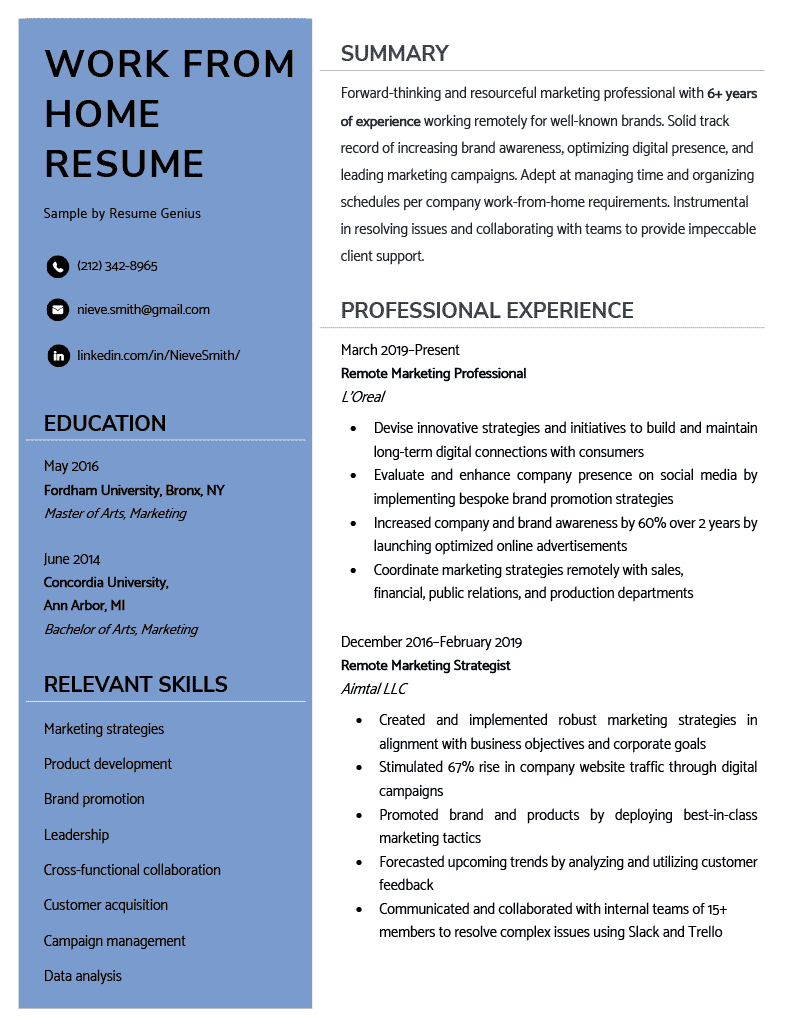
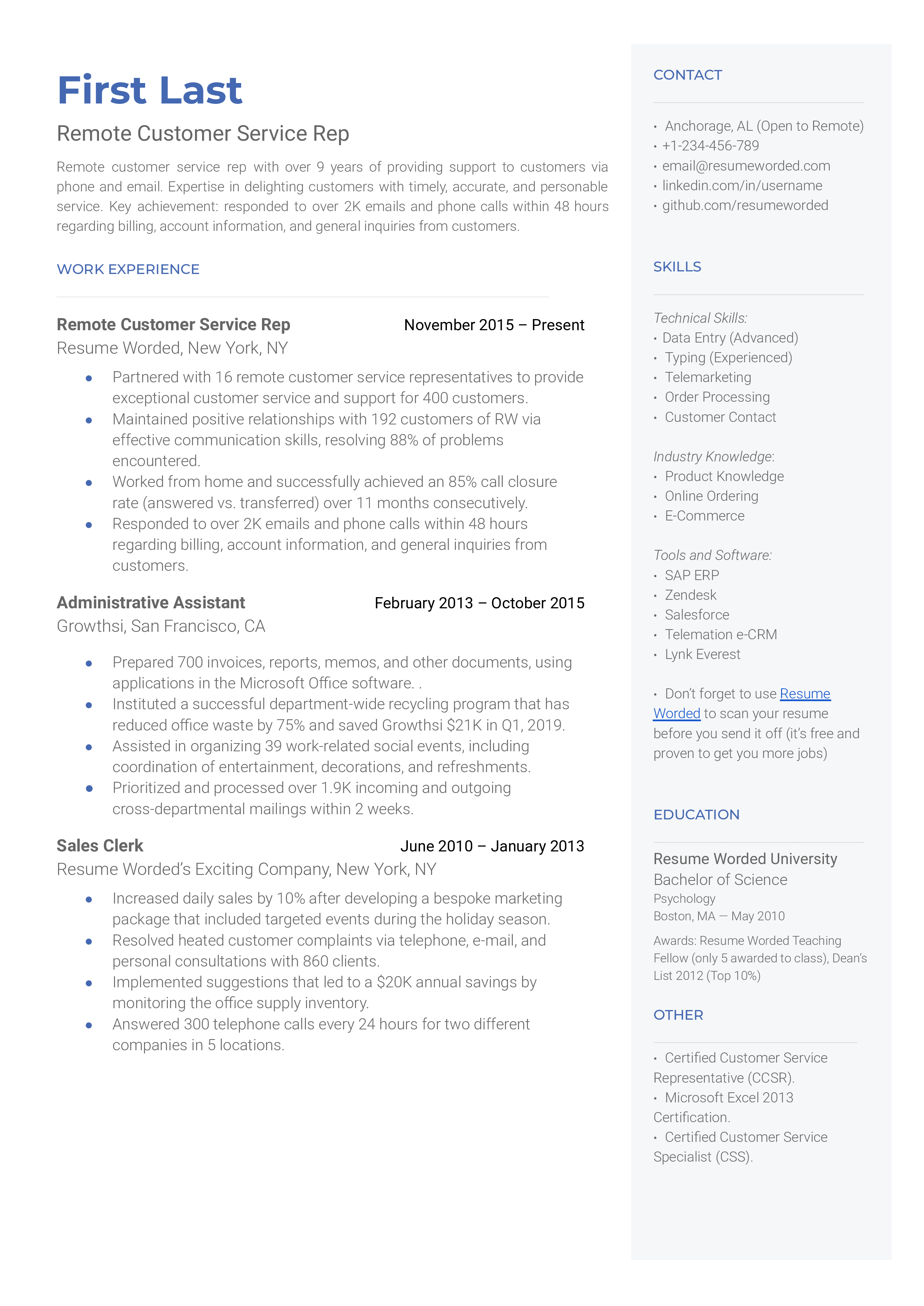
The traditional chronological resume – listing work history in reverse order – often falls short for career changers. It emphasizes what you used to do, rather than what you can do. This can immediately disqualify you from positions where you lack direct experience. Instead, consider a combination or functional resume format. A combination resume balances skills and experience, while a functional resume prioritizes skills above all else.
A functional resume is the most radical approach, focusing almost entirely on your abilities and accomplishments. However, it can sometimes raise red flags with recruiters, as it may appear you’re trying to hide something. A combination resume is generally the safer bet. It allows you to highlight your transferable skills upfront, then provide a concise work history to demonstrate your overall experience.
The summary or objective statement at the top of your resume is still relevant, but it needs to be highly targeted. Forget generic statements like "seeking a challenging position.’ Instead, write a professional summary that clearly articulates your skills and how they align with the specific role you"re applying for. It's your first chance to frame your story.
Learning the new industry language
Applicant Tracking Systems (ATS) are now the gatekeepers for most job applications. These systems scan your resume for specific keywords before a human ever sees it. If your resume doesn’t contain the right keywords, it might be automatically rejected, regardless of your qualifications. ATS works by parsing the text of your resume and comparing it to the job description.
Look closely at the job descriptions for the roles you want. Note the specific skills and tools they mention. Use those exact words in your resume so the tracking systems recognize your experience.
There are tools available to help with keyword research, but many require subscriptions. A good starting point is simply reading a lot of job descriptions in your target field and identifying recurring terms. Remember that keyword stuffing – repeatedly using keywords in an unnatural way – can actually hurt your chances. ATS algorithms are getting smarter and can detect this practice.
Use numbers to prove your worth
This is a classic resume tip, but it’s even more important when pivoting. Employers want to see concrete evidence of your accomplishments, not just vague statements. Instead of writing "Managed a team,’ say ‘Managed a team of 5, increasing sales by 15% in Q2." Numbers speak volumes and demonstrate your impact.
Think creatively about how to quantify your achievements, even in roles where it doesn’t seem obvious. Did you improve customer satisfaction scores? By how much? Did you streamline a process, resulting in time or cost savings? Quantify those savings. Even seemingly unquantifiable roles like teaching have measurable results – student improvement, curriculum development, or successful grant applications.
For example, instead of "Responsible for social media marketing,’ try ‘Increased social media engagement by 30% in six months, resulting in a 10% increase in website traffic." The more specific you are, the more compelling your resume will be. It shows you're results-oriented and can deliver value.
Tailoring Each Application
There is no "one-size-fits-all’ resume. Each application needs to be tailored to the specific job description. This isn’t just about keywords; it’s about framing your experience in a way that resonates with the employer. Take the time to carefully analyze the job description and identify the key skills and qualifications they"re seeking.
Then, adjust your resume to highlight the experiences and skills that are most relevant to that particular role. Reorder your skills section, reword your accomplishments, and even add or remove sections as needed. This takes time and effort, but it’s essential for maximizing your chances of success. I think people often underestimate just how much time this detailed tailoring really takes.
Consider the company's culture and values as well. Use language that aligns with their brand and tone. Show that you’ve done your research and understand their needs. A generic resume will likely get overlooked, while a tailored resume demonstrates your genuine interest and commitment.
Formatting & Proofreading: The Final Polish
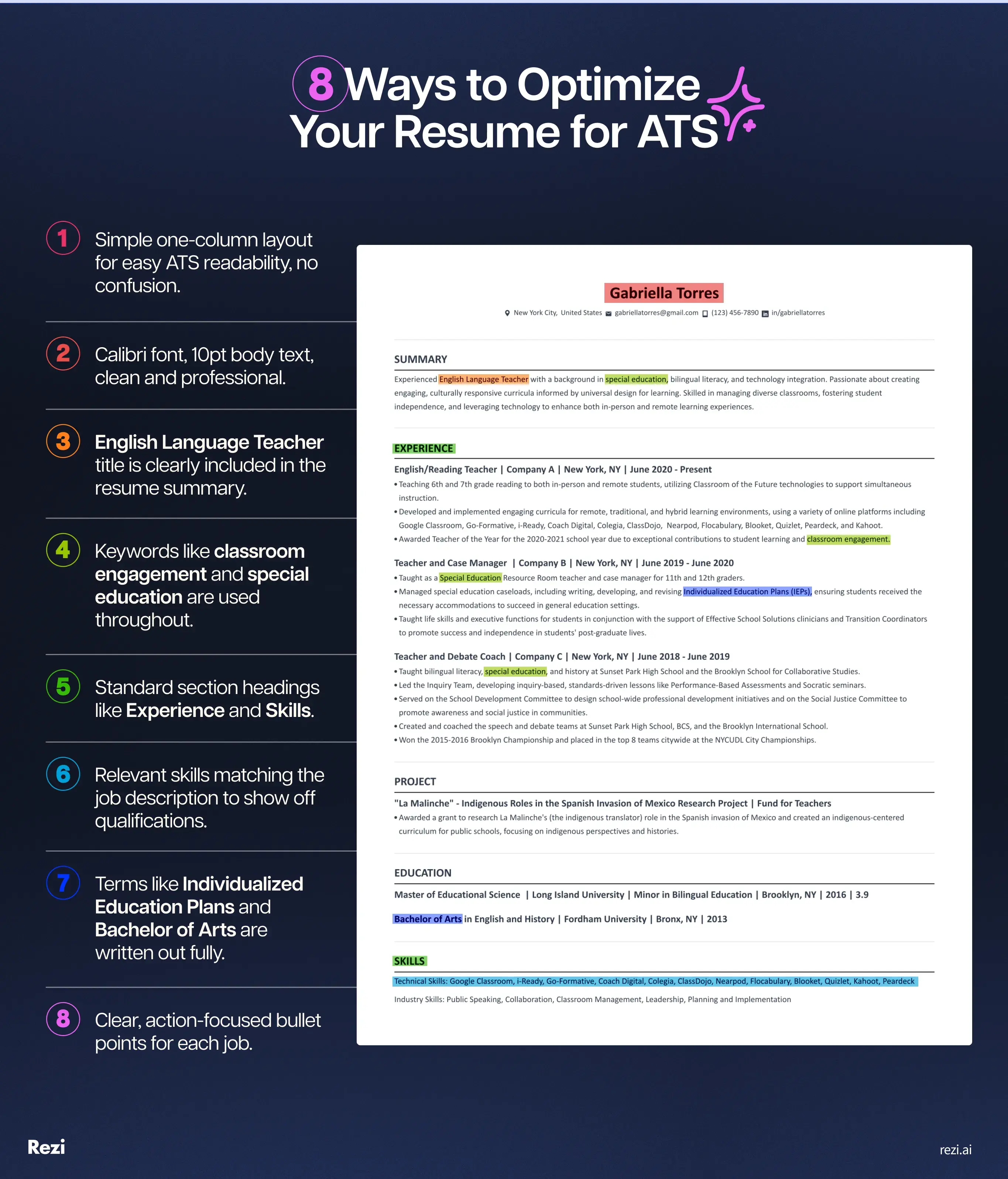
Even a well-written resume can be derailed by poor formatting or careless errors. Choose a professional font (Arial, Calibri, or Times New Roman are safe bets) and use consistent spacing and margins. Save your resume as a PDF to ensure that the formatting remains intact across different devices and operating systems.
Proofreading is absolutely critical. Read your resume multiple times, carefully checking for typos, grammatical errors, and inconsistencies. Ask a friend or family member to review it as well – a fresh pair of eyes can often catch mistakes you’ve missed. Consider using a grammar checker (like Grammarly) as an additional safeguard.
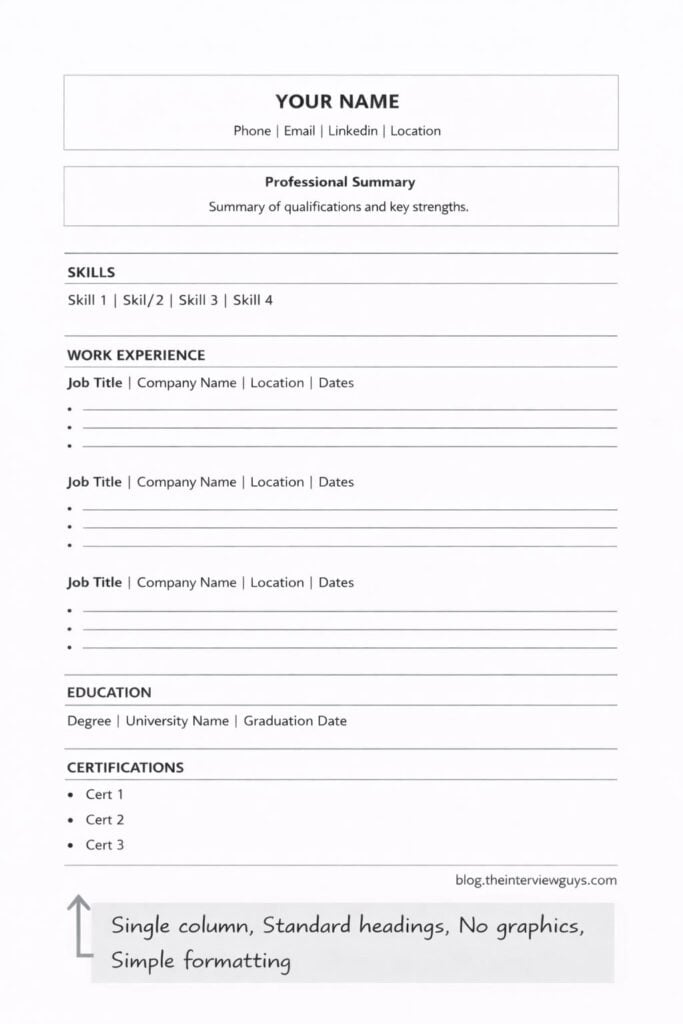
Finally, avoid overly creative or flashy designs. While a visually appealing resume is important, professionalism should always be your top priority. A simple, clean, and well-organized resume is far more effective than one that’s cluttered or distracting. A single typo can be enough to send your application to the rejection pile.
No comments yet. Be the first to share your thoughts!